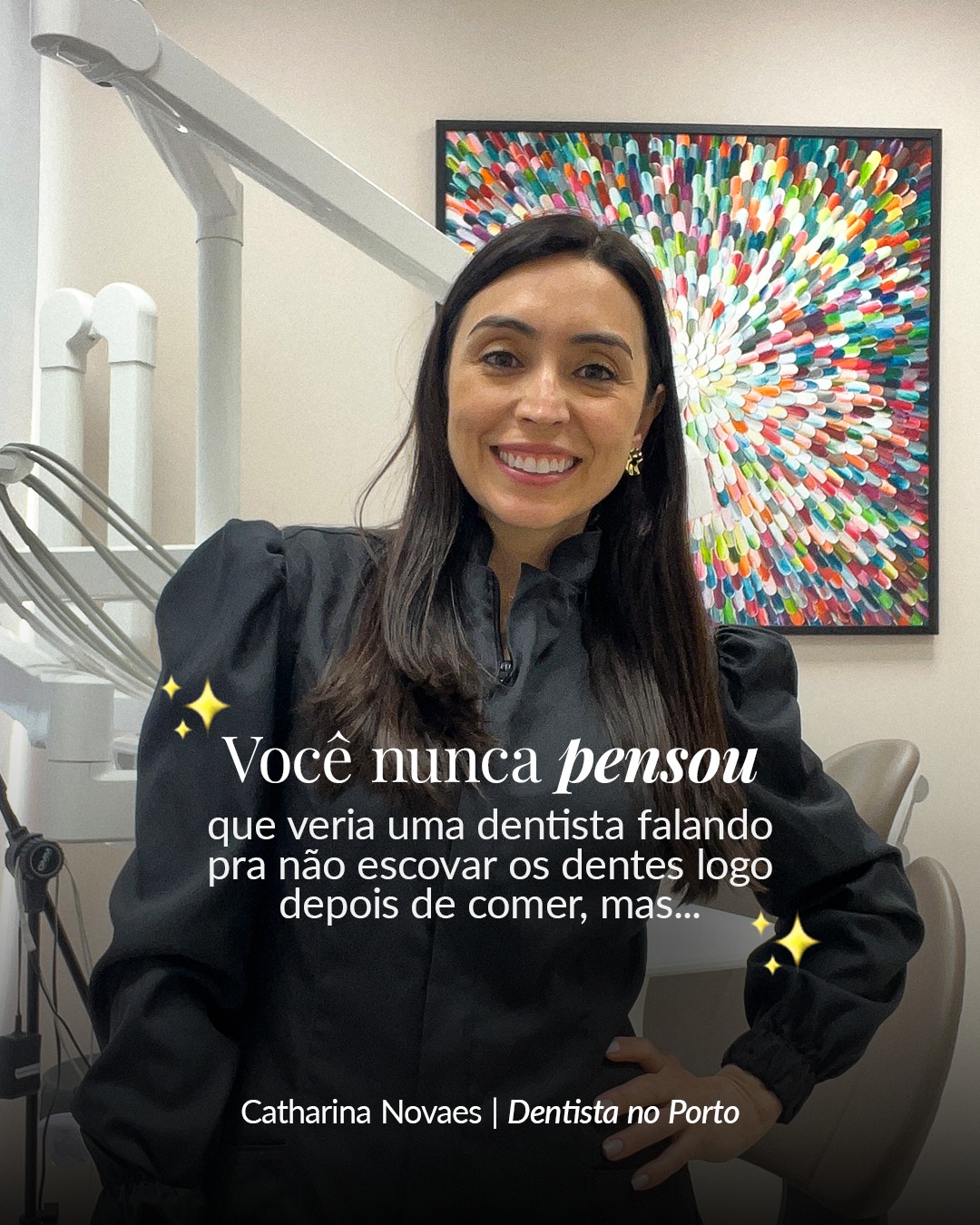
Fear of dental judgment is one of the most common reasons adults stay away from the dentist — often for years at a time. It is not pain that keeps most people from making that appointment. It is the quiet, heavy feeling of shame. Understanding where that feeling comes from is the first step toward letting it go.
The Hidden Barrier Nobody Talks About
Most people assume dental anxiety is about the drill or the needle. In reality, research shows the biggest fear is social: the worry that a dentist will look at your teeth and think less of you. Studies confirm that embarrassment about the state of one's mouth, combined with the fear of being judged by a professional, is a central cause of dental avoidance. The longer someone waits, the worse the situation becomes — and the worse it becomes, the harder it is to walk back in. This is the cycle that shame builds.
Why Your Oral Health and Mental Health Are Connected
Avoiding the dentist does not only affect your teeth. There is a well-established link between oral health and mental well-being. According to research published by the RGO journal, people with depression have twice the risk of developing gum disease. At the same time, untreated dental problems — pain, visible damage, or difficulty eating — can deepen feelings of low self-esteem and lead to social withdrawal.
The connection runs both ways. Stress and anxiety raise cortisol levels, which weaken the immune system and make the mouth more vulnerable to gingivitis, oral sores, and infections. Taking care of your mental health supports your oral health, and vice versa.
What Compassionate Dental Care Actually Looks Like
A good dental visit should never leave you feeling guilty. In a humanized practice, the dentist's role is to listen, explain, and walk beside you — not to criticize what has or has not been done in the past. Research shows that a caring professional attitude can measurably reduce clinical anxiety. When patients feel respected, they are far more likely to continue treatment and build lasting habits.
This approach is supported by a method called motivational interviewing, which focuses on giving patients real reasons to change — not pressure or blame. The dentist explains what is possible, respects your pace, and helps you understand your options without any obligation to decide right away.
It Does Not Matter How Long It Has Been
Whether you last visited a dentist two years ago or fifteen, the starting point is not what counts. What matters is the next step. Many people are surprised to discover that their situation is far more manageable than they imagined after years of avoidance. Moreover, caring professionals understand that dental neglect rarely comes from laziness — it almost always traces back to fear, cost, or difficult life circumstances.
You can read more about this in our article on why it's never too late for dental health, which explores how people from all starting points can take back their oral health with the right support.
Signs of a Practice That Will Make You Feel Safe
Not every dental office feels the same. A judgment-free practice will take time to listen before looking, explain each step before performing it, and never make you feel ashamed for where you are starting. They will respect your right to say "not yet," ask questions, or take things slowly. They will focus on what is possible from here — not on what you have missed.
If you have ever left a dental appointment feeling worse about yourself than when you arrived, that experience is not the standard. Many patients find that a single visit with a caring dentist completely changes how they feel about dental care. We explore this further in our post about how empathy shapes the dental experience.
Ready to Take the First Step?
The hardest part is simply starting. Once you are in the room with a professional who truly listens, most people find the experience far less daunting than the story they had been telling themselves for years.
If you are in Porto and want to explore your options in a calm, pressure-free environment, you can reach out any time — no commitment required, just an honest conversation.
Talk to us on WhatsApp — ask anything you like, at your own pace.
You might also enjoy reading about how consistency over perfection is the real key to lasting care.