Orthodontics for adults is more common than you think — and the results can genuinely change your life. If you have ever turned your head slightly in a group photo, or kept your lips together when smiling, you know exactly what we are talking about. That quiet discomfort has a name, and it is far more widespread than most people realize.
You Are Not Alone in This
According to a scientific study on the impact of smile aesthetics on self-esteem, 43% of people dislike seeing themselves in photos because of how their teeth look. Nearly half of us carry that feeling every single day — at work, at family dinners, in important meetings. So before we talk about any kind of treatment, let us acknowledge one simple truth: your hesitation makes complete sense.
The Story You Have Been Telling Yourself
Most adults who avoid orthodontic treatment do not skip it because of money or time. The real barrier is a belief that has been repeated so many times it feels like a fact: "It is too late for me. Braces are for teenagers." That belief is not just incorrect — it is actively holding you back.
Here are the three most common excuses adults use, and why none of them hold up:
"I am too old." There is no age limit for orthodontic treatment. Your teeth can shift and respond to gentle movement at 30, 45, or even 65.
"I do not have the time." Modern treatment plans are designed around adult life. Many options require check-ins only every six to eight weeks.
"People will judge me." We will address that in the next section — because there is a very practical answer.
What the Experts Actually Say
The Brazilian Federal Council of Dentistry officially states that transparent aligners are indicated for "adolescents, adults, and the elderly." This is not a marketing claim — it is the position of the country's leading dental regulatory body. When someone tells you that orthodontics "only works when you are young," they are contradicting official clinical guidance.
If you want to explore what science actually says about common orthodontic beliefs, this article on common orthodontic myths is a great next read.
Orthodontics That Nobody Has to Know About
This is the part that tends to change minds the most. Clear aligners — like Invisalign® and similar systems — have treated more than 14 million cases worldwide. They are nearly invisible, removable, and comfortable enough to wear throughout your day without any disruption.
Unlike the metal brackets most of us associate with orthodontics, clear aligners allow you to:
- Eat whatever you want (simply remove them during meals)
- Brush and floss normally without any extra steps
- Smile through every meeting, date, and social event without anyone noticing
Beyond clear aligners, ceramic braces and lingual braces (attached behind the teeth) are also discreet options available today. If the fear of being seen in braces was the one thing holding you back, that barrier no longer exists.
What Happens When You Keep Waiting
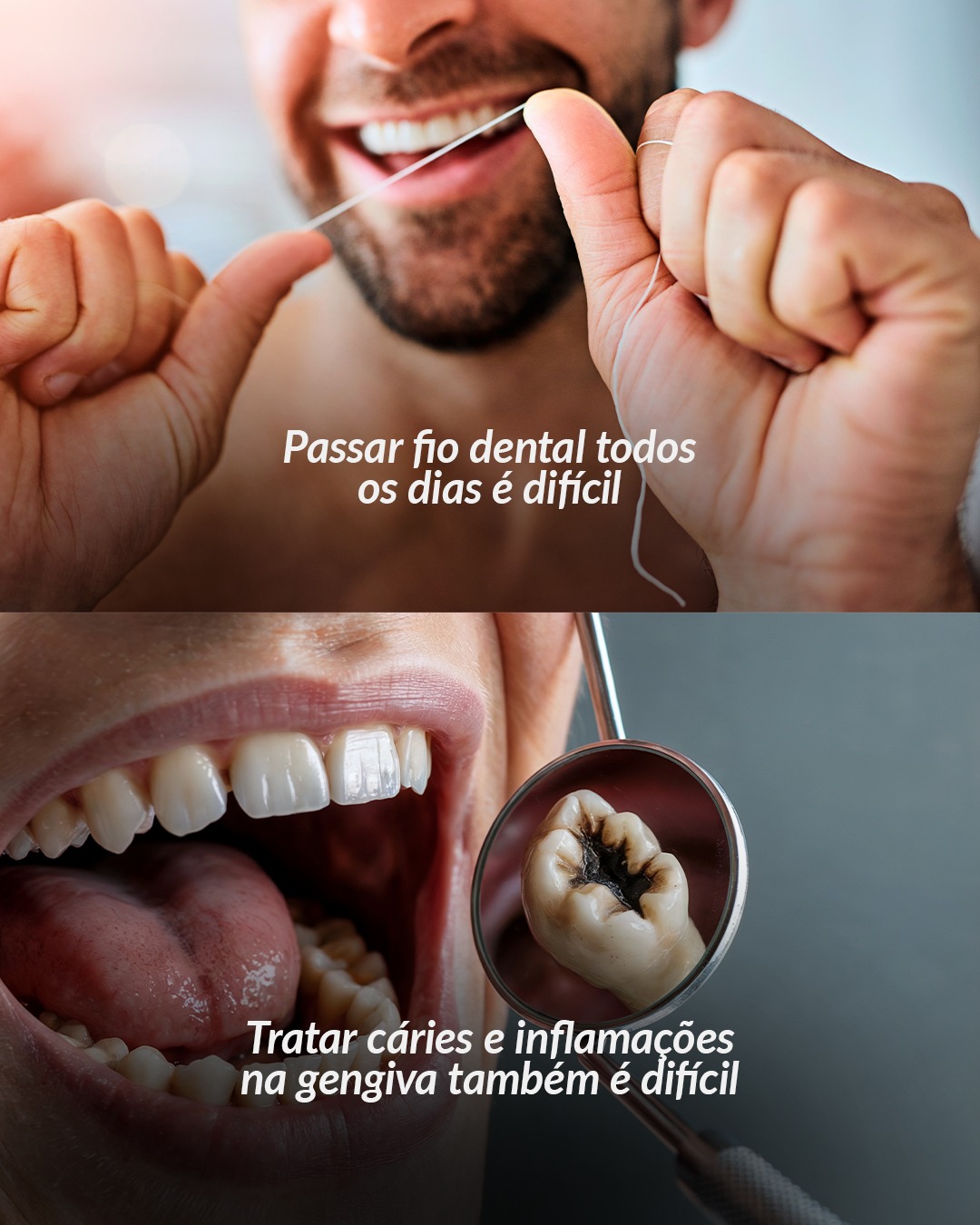
Putting off orthodontic treatment is not a neutral decision. Misaligned teeth are harder to clean properly, which gradually raises the risk of cavities and gum disease. Furthermore, when the bite is off, jaw strain and chronic headaches can develop over time — often without any obvious connection to your teeth.
Think of it as a quiet cost that accumulates. What feels like a cosmetic concern today can become a real health issue — and a far more expensive one — five years from now. Treating a problem early is almost always simpler, faster, and less costly than waiting.
A Smile Is an Investment, Not Vanity
The World Health Organization recognizes oral health and self-esteem as direct components of overall quality of life. Adults who complete orthodontic treatment consistently report feeling more confident in social situations — including job interviews, client meetings, and everyday conversations. Beyond the data, you can get a sense of that shift in this real orthodontic smile transformation story.
Think about the moments you have held back: the photo you stepped out of, the smile you kept small, the laugh you covered with your hand. Now imagine showing up differently in those exact same moments. That is not vanity — that is investing in yourself, in the same category as exercise, good nutrition, and mental wellness.
Ready to Take the First Step?
You do not need to make any decisions today. But if any part of this article resonated with you, the most useful move is simply to have a conversation.
Reach out via WhatsApp to book a no-obligation consultation and find out what is genuinely possible for your specific case. No pressure, no commitment — just the clarity you have been putting off.