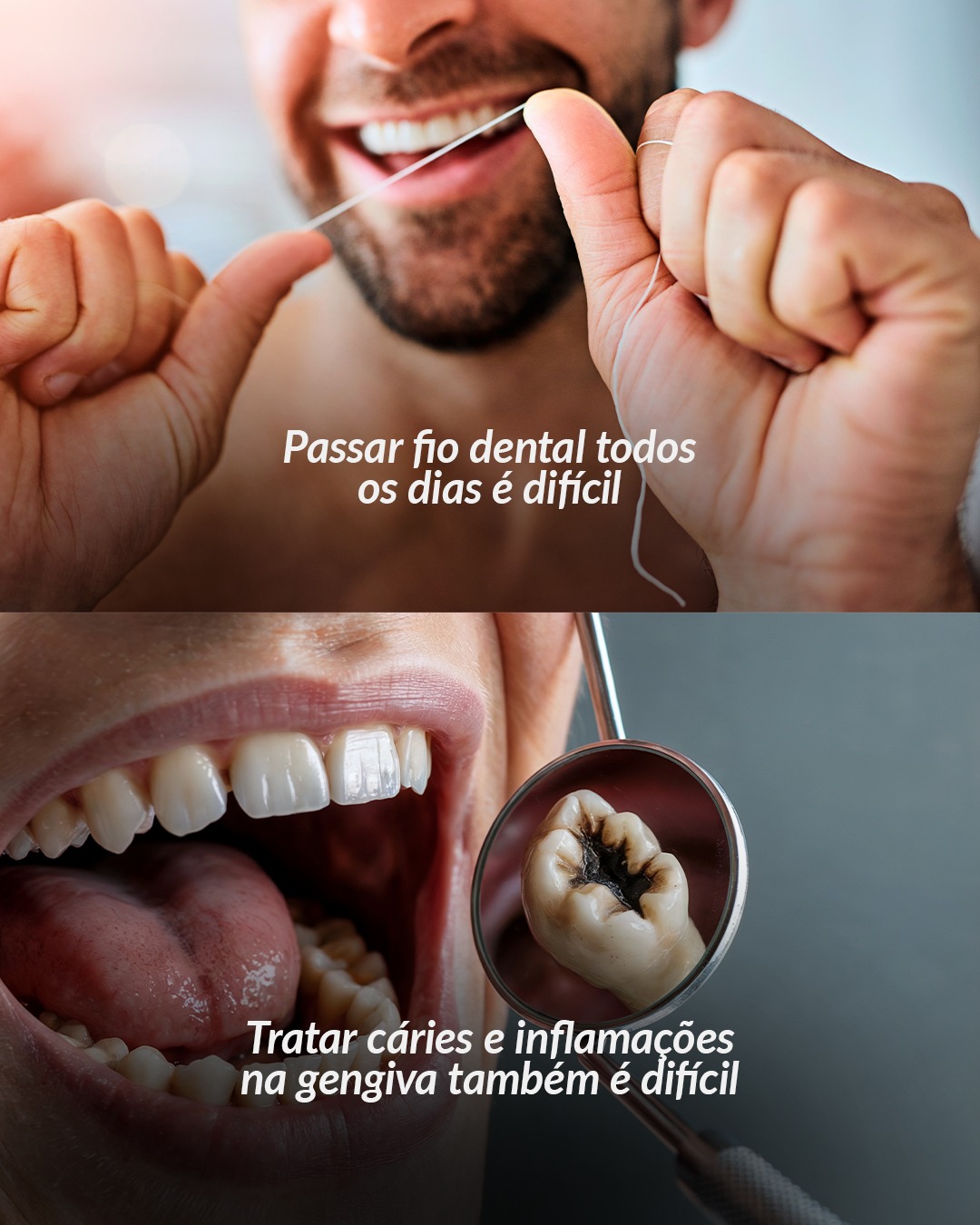
Oral hygiene with braces is one of the most important parts of your orthodontic journey — and it doesn't have to be complicated. Many patients worry that wearing a fixed appliance means spending hours on a complex routine or buying dozens of products. The good news is that with the right tools and a clear approach, keeping your mouth healthy during treatment is entirely manageable.
Why Braces Change the Way You Clean
Brackets, wires, and bands do more than guide your teeth into position. They create small, hard-to-reach spaces where plaque builds up quickly — above each bracket, directly in front of it, and below it along the gumline. A regular toothbrush simply cannot cover all of these areas on its own.
Guidelines from the Federal University of Rio de Janeiro (UFRJ) recommend spending at least 10 minutes on careful daily cleaning when wearing a fixed appliance. That may sound like a lot, but having the right tools and a clear method makes a significant difference. Once your routine becomes habit, it moves much faster than it did at the start.
The Tools That Actually Matter
You don't need to own every product on the shelf. However, knowing what each tool does helps you decide which ones truly belong in your routine.
- Orthodontic toothbrush (V-shaped bristles): Designed to reach around the sides of brackets, cleaning the areas a standard flat brush cannot.
- Interdental brushes: Small cylindrical brushes that fit between brackets and wires. Using them in a gentle X-motion helps remove food and plaque from tight spaces.
- Floss threader (or Super Floss): Guides dental floss under the wire so you can clean between teeth — something that becomes nearly impossible without this small tool.
- Fluoride mouthwash (alcohol-free): Using it before bed creates a protective layer overnight, reducing the risk of white spots and cavities forming around brackets.
- Orthodontic wax: Not a cleaning tool, but an important comfort item. When a wire or bracket irritates the inside of your mouth, a small piece of wax provides quick relief.
None of these tools replaces the others. Each one covers a specific area, and together they address what a single toothbrush cannot.
Technique Beats Frequency — Science Backs This Up
Here's something that may come as a surprise: brushing six times a day with poor technique is less effective than brushing three times with the right approach. According to research published by SciELO, the quality of brushing is a stronger determining factor than how often you brush.
Rather than rushing through your routine multiple times, focus on doing it well each time. Tilt your brush upward toward the bracket, brush straight across the front, then angle downward below the wire. Move slowly and deliberately, especially along the gumline. That careful attention makes all the difference in protecting your enamel and gums throughout treatment.
Building a Simple Daily Routine
Starting with every tool at once can feel overwhelming. A practical approach is to begin with the basics and add items gradually as the routine becomes more comfortable.
Your starting point:
- Rinse with water to loosen any food particles.
- Brush with an orthodontic toothbrush, covering all three angles around each bracket.
- Thread dental floss under the wire using a floss threader and clean between each pair of teeth.
- Rinse with fluoride mouthwash before bed.
Once these steps feel natural — usually within a few weeks — you can begin incorporating interdental brushes for deeper cleaning between brackets. Over time, the whole process takes less effort and feels far less like a chore.
Your Routine Should Fit Your Life
No two patients have the same mouth, the same type of appliance, or the same level of comfort with dental tools. What works well for one person may feel clumsy or time-consuming for another. Research confirms that individualized guidance from your orthodontist is one of the most important factors in maintaining good oral health during treatment — because each patient has different anatomical challenges and different manual abilities.
Pay attention to where plaque tends to build up in your own mouth. Notice which tools feel easiest to handle. Your orthodontist can point out which areas need the most attention and can fine-tune their recommendations at each visit as your treatment evolves.
For a broader perspective on what orthodontic treatment really involves beyond the mechanics, this article on complete orthodontic treatment offers a helpful look at what to expect from the full experience.
Keeping Up on the Difficult Days
Orthodontic treatment sometimes comes with discomfort. Wires can poke, adjustments can make your teeth feel sensitive, and some days the last thing you want is to spend extra time in front of the mirror.
Even so, those are the days when cleaning matters most. Gum inflammation makes tissue more vulnerable to plaque, which can cause lasting damage if left unchecked. Placing a small piece of orthodontic wax over an irritating bracket or wire can make it much easier to get through your routine comfortably. If a wire is causing significant pain, contact your orthodontist — but continue cleaning in the meantime.
Why Your Orthodontist Keeps Mentioning Hygiene
At every appointment, your orthodontist evaluates more than just the movement of your teeth. They also check the health of your gums and the cleanliness around your appliance. This is entirely intentional.
Research shows that a single hygiene briefing at the start of treatment is not enough to maintain good habits throughout an entire course of orthodontics. Motivation and guidance need to be reinforced at each visit. Think of those regular appointments not just as technical check-ins, but as opportunities to fine-tune your approach and stay consistent — because consistency, over time, is what protects your results.
Ready to Make Your Routine Work for You?
Good oral hygiene during orthodontic treatment protects your results and makes the whole experience more comfortable. Starting simple, staying consistent, and choosing tools that fit your daily life is all it takes to get it right.
If you have questions about your hygiene routine, or if you're considering starting orthodontic treatment and want to understand what daily care looks like in practice, we'd love to help. Reach out on WhatsApp and let's talk about the best approach for your situation.