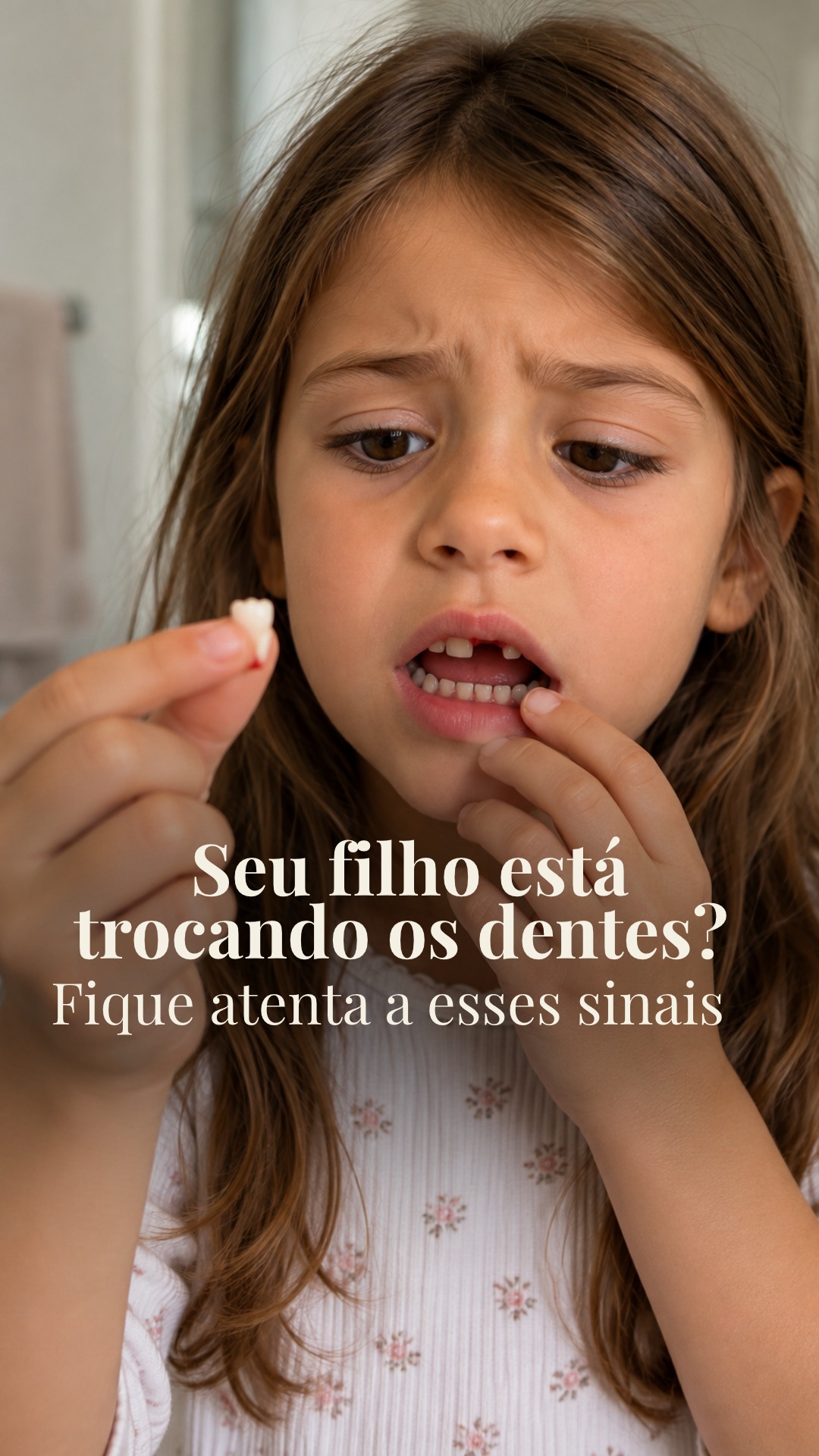
Baby teeth to permanent teeth is a transition every child goes through — but it does not always happen smoothly or in the right order. Between the ages of 6 and 13, children gradually lose their baby teeth as permanent ones push through. This process, however, can go off track for several reasons, and catching those problems early makes all the difference.
Why Baby Teeth Still Matter
Many parents assume baby teeth are temporary and therefore unimportant. That thinking, while common, can lead to real problems down the line. Baby teeth serve as natural space holders in the jaw, keeping room open for the permanent teeth that follow.
When a baby tooth is lost too early — due to decay, trauma, or extraction — neighboring teeth tend to shift into the gap. As a result, there may not be enough space for the permanent tooth to come in properly. This is one of the main reasons children develop crowded or crooked teeth: not genetics alone, but a loss of space that was preventable.
How Everyday Habits Shape the Mouth
It may come as a surprise that daily habits play a large role in how teeth develop. Thumb-sucking and pacifier use are two of the most common contributors to misalignment. When these habits continue past age 5 or 6, they put constant pressure on the developing arch, pushing teeth and bone out of position.
Research shows that children who keep these habits after age 5–6 are up to 8 times more likely to develop a posterior crossbite — a condition where the upper and lower teeth don't meet correctly on one or both sides. Beyond sucking habits, mouth breathing in children is another pattern that reshapes the face and jaw in ways that are very hard to reverse once growth is complete.
Signs Your Child May Need an Early Evaluation
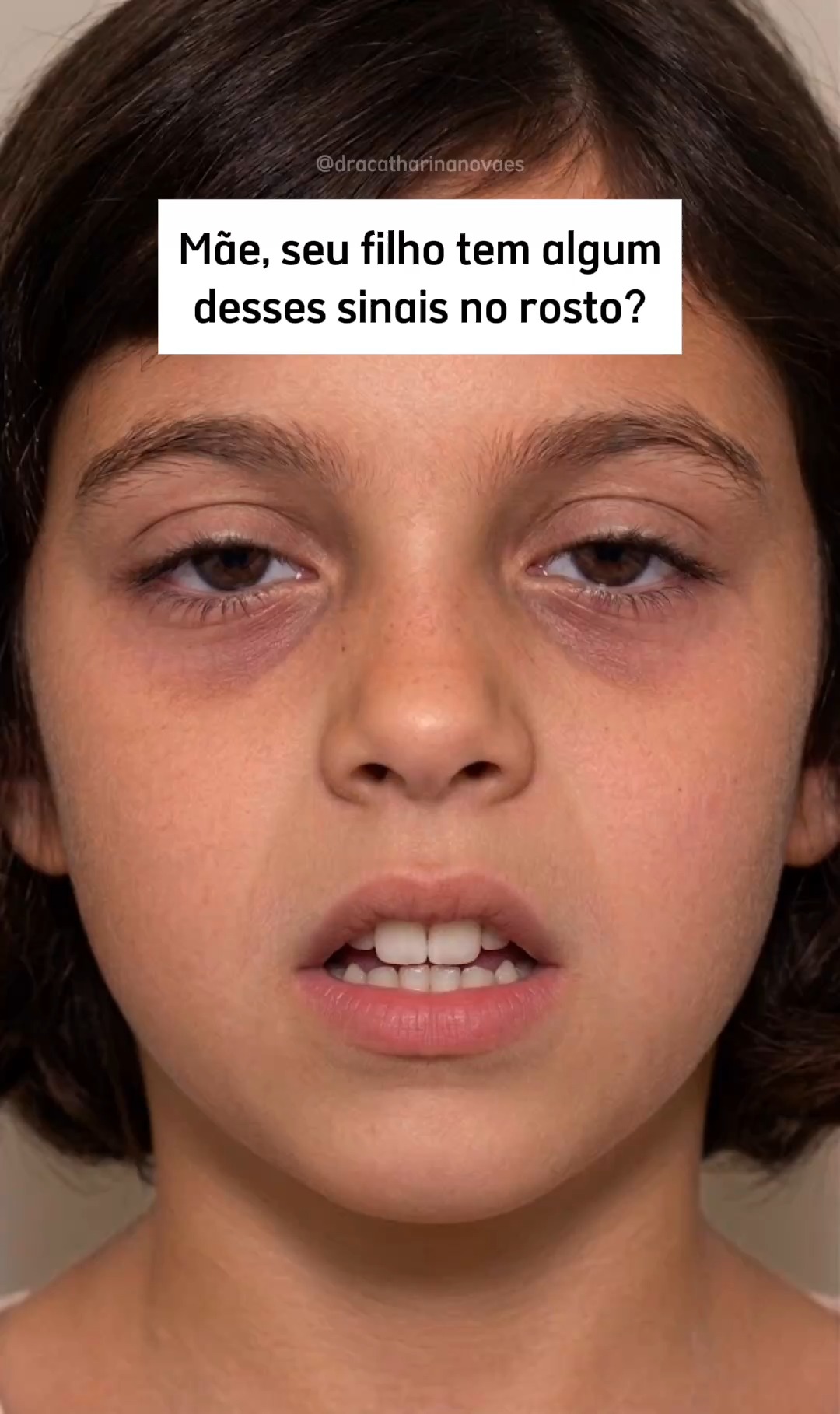
Children rarely say their teeth feel off. However, there are visible signs that parents can watch for.
Look out for any of the following:
- A tooth coming in behind or beside another, rather than replacing it
- Upper and lower teeth that don't meet evenly when biting
- Persistent mouth breathing, especially during sleep
- Difficulty chewing or a strong preference for soft foods
- A thumb-sucking or pacifier habit still present at age 5 or older
Seeing one or more of these signs does not mean your child definitely needs braces. It does mean that an orthodontic evaluation is a worthwhile step to take soon.
The Growth Window That Closes
One thing most parents don't realize is that bone growth in children creates a treatment window that simply doesn't exist in adults. While the jaw is still developing, functional orthodontic appliances can guide the shape and position of the upper and lower jaw. Crowding, crossbites, and jaw imbalances that would later need surgery can often be resolved with much simpler, shorter interventions during this period.
Once growth is complete, that window closes. The bone becomes less responsive, and the available options change significantly. This is why timing in early orthodontic intervention is one of the most important — and most underestimated — factors in a child's long-term dental health.
A clinical case study published in SciELO illustrates this clearly: interceptive orthodontics with palatal expansion successfully allowed permanent teeth to erupt in children who lacked space — a result the authors say would not have been possible without an early diagnosis.
Preventive Orthodontics Is Not the Same as Braces
Many parents hear "orthodontist" and picture metal braces on a 7-year-old. Preventive orthodontics is something quite different. Rather than straightening teeth after all permanent teeth have come in, it focuses on monitoring development and stepping in at the right moment to guide what is already happening naturally.
The goal is not purely cosmetic. A well-guided transition helps ensure the bite works correctly, that there is enough space for incoming permanent teeth, and that no harmful habits are left to reshape the jaw over time. In many cases, a short phase of early intervention leads to much less treatment — or no fixed braces at all — later on.
When to Book the First Visit
Most guidelines recommend a first orthodontic check-up around age 6 to 7. By then, the first permanent molars and front teeth have typically emerged, giving a clear picture of how development is going. This visit is not a commitment to treatment — it is simply a check-in to make sure everything is on track.
Many children seen at this age will not need any immediate action. What they gain, however, is a starting point for monitoring. If a problem begins to develop, the orthodontist will spot it precisely when intervention is most effective.
Take the Next Step for Your Child
If your child is approaching school age and has not yet had an orthodontic evaluation — or if you have noticed any of the signs mentioned above — this is the right time to act. Early monitoring is low-pressure, quick, and far more valuable than waiting until a problem becomes obvious.
Reach out via WhatsApp at https://wa.me/+351926533304 to book a preventive consultation. One short appointment can give you peace of mind — or catch something that makes a real difference in the years ahead.