Early orthodontic evaluation in children gives parents a clear picture of their child's dental development before problems become complicated. Many families assume they should wait until all permanent teeth have come in before seeing an orthodontist — but that wait can mean missing the best window for simple, effective treatment. Growth is not just happening; it is your child's greatest advantage when it comes to correcting how the jaw and teeth develop.
Why Age 7 Is the Right Time for a First Check
Leading dental associations worldwide, including the American Association of Orthodontists, recommend a first orthodontic visit around age 6 or 7. This is not an arbitrary number — it marks the moment when the first permanent teeth begin to emerge, creating what specialists call "mixed dentition": a period when baby teeth and permanent teeth coexist. Research from the University of São Paulo Faculty of Dentistry confirms that assessing children at this stage allows the specialist to detect and correct problems before growth patterns become fixed.
During this phase, the jaw bones are still flexible and responsive. An orthodontist can read early signals of how the bite and face are developing, then decide whether intervention is needed or simply periodic check-ins to monitor growth.
It is important to understand that this evaluation does not always mean starting treatment right away. In many cases, the specialist will say: "Let's watch and see." That guidance itself is valuable — it means you will not miss the right moment.
The Myth of Waiting for All Permanent Teeth
One of the most common misconceptions is that orthodontic treatment should begin only after every baby tooth has fallen out. This belief is widespread, and unfortunately it leads many children to miss the most favorable treatment window.
Think of it like guiding a young tree. When a branch is new and flexible, gentle guidance shapes its growth naturally. Once the trunk is fully formed, correcting its direction requires far more effort — and sometimes tools that simply weren't needed before.
The same logic applies to jaw development. Correcting a crossbite or a jaw misalignment at age 7 can often be done with a simple removable appliance. Addressing the same issue at age 17, after growth has stopped, may require braces combined with surgery. Early action is not about rushing treatment — it is about using the right timing.
What the Specialist Can See That Parents Cannot
A trained orthodontist can identify a range of conditions during a routine early assessment, many of which are invisible at home. These include:
- Crossbite — front or back teeth meeting incorrectly
- Open bite — teeth not touching when the mouth is closed
- Crowding — insufficient space for permanent teeth to emerge properly
- Jaw growth imbalances between the upper and lower jaw
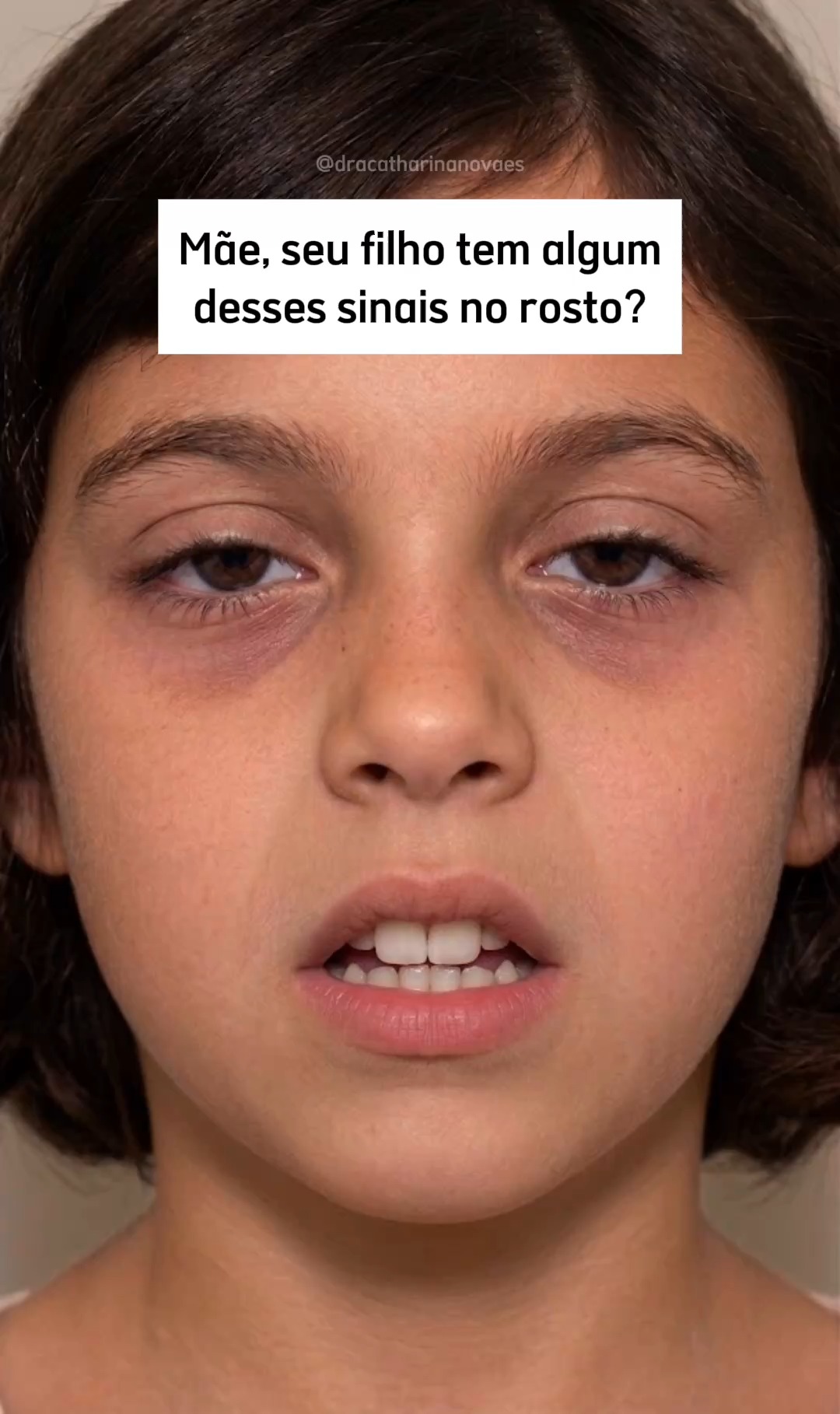
- Mouth breathing patterns, which directly affect facial development
That last point deserves special attention. Children who breathe primarily through the mouth — often due to allergies, enlarged tonsils, or habits — can develop facial and dental changes over time. Catching this early opens the door for combined treatment with other specialists. For a deeper look at this topic, read Mouth Breathing in Children: Warning Signs.
Habits That Shape the Bite
Beyond natural growth patterns, certain childhood habits influence how teeth and the jaw develop. Prolonged pacifier use, thumb sucking, and mouth breathing are among the most common contributors to early bite problems.
Parents often don't connect these habits to dental consequences until the problem is already visible. However, when a specialist monitors the child from an early age, these habits can be addressed before they leave a lasting mark on the bite and facial structure.
Interceptive Orthodontics: Acting on the Cause
Early treatment — also called interceptive orthodontics — works differently from what most adults associate with braces. Instead of moving teeth into place after growth is complete, it guides the growth itself. The result is often a shorter, simpler second phase of treatment — or in some cases, no second phase at all.
To understand more about how timing shapes long-term outcomes, see Early Orthodontic Intervention: Why Timing Matters.
Signs That Suggest an Earlier Visit May Help
While the general recommendation is age 7, some situations call for an even earlier consultation. Consider scheduling a visit sooner if you notice any of the following:
- Difficulty chewing or biting
- Mouth breathing during sleep or at rest
- Thumb sucking past age 4
- Teeth that don't come together when the mouth closes
- Early or late loss of baby teeth
- Crowded, misplaced, or blocked teeth
- A jaw that shifts, clicks, or appears asymmetrical
These signs do not always mean treatment is needed immediately, but they do mean a specialist should take a look.
What to Expect at the First Visit
The first appointment is informative and low-pressure. The orthodontist will examine your child's teeth, jaw, and facial structure. Depending on what is found, X-rays may be taken to see how permanent teeth are positioned beneath the gums.
From that assessment, three outcomes are possible: the child does not need treatment now and will be monitored periodically; early interceptive treatment is recommended; or treatment can wait until a later growth stage with no disadvantage. Every path is valid — the value is in knowing which one applies to your child.
For more on how prevention plays a role in long-term dental health, explore Preventive Orthodontics for Children: Act Early.
Your Next Step: Book an Evaluation While Growth Is on Your Side
The best time for a first orthodontic evaluation is during childhood, while the jaw and facial bones are still growing. Waiting for the "perfect moment" — when all permanent teeth are in — often means arriving after the easiest window has already passed.
A first evaluation at age 7 costs nothing in terms of discomfort or time. What it gives back is clarity, peace of mind, and — when treatment is needed — a path that is shorter and simpler than any alternative available later.
Have questions about your child's dental development? Reach out via WhatsApp — the team at Catharina Novaes Orthodontics in Porto is ready to help you find the best path forward.