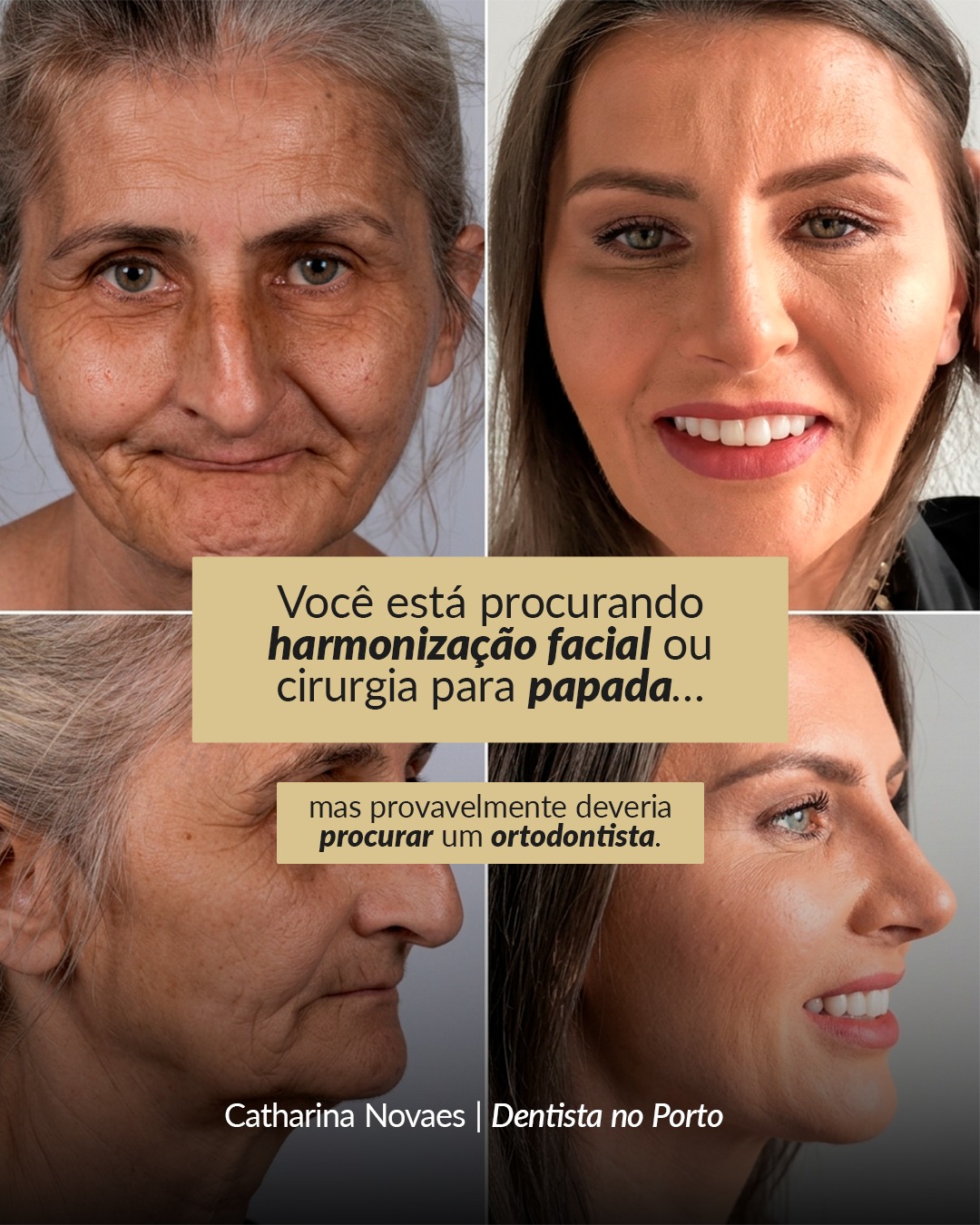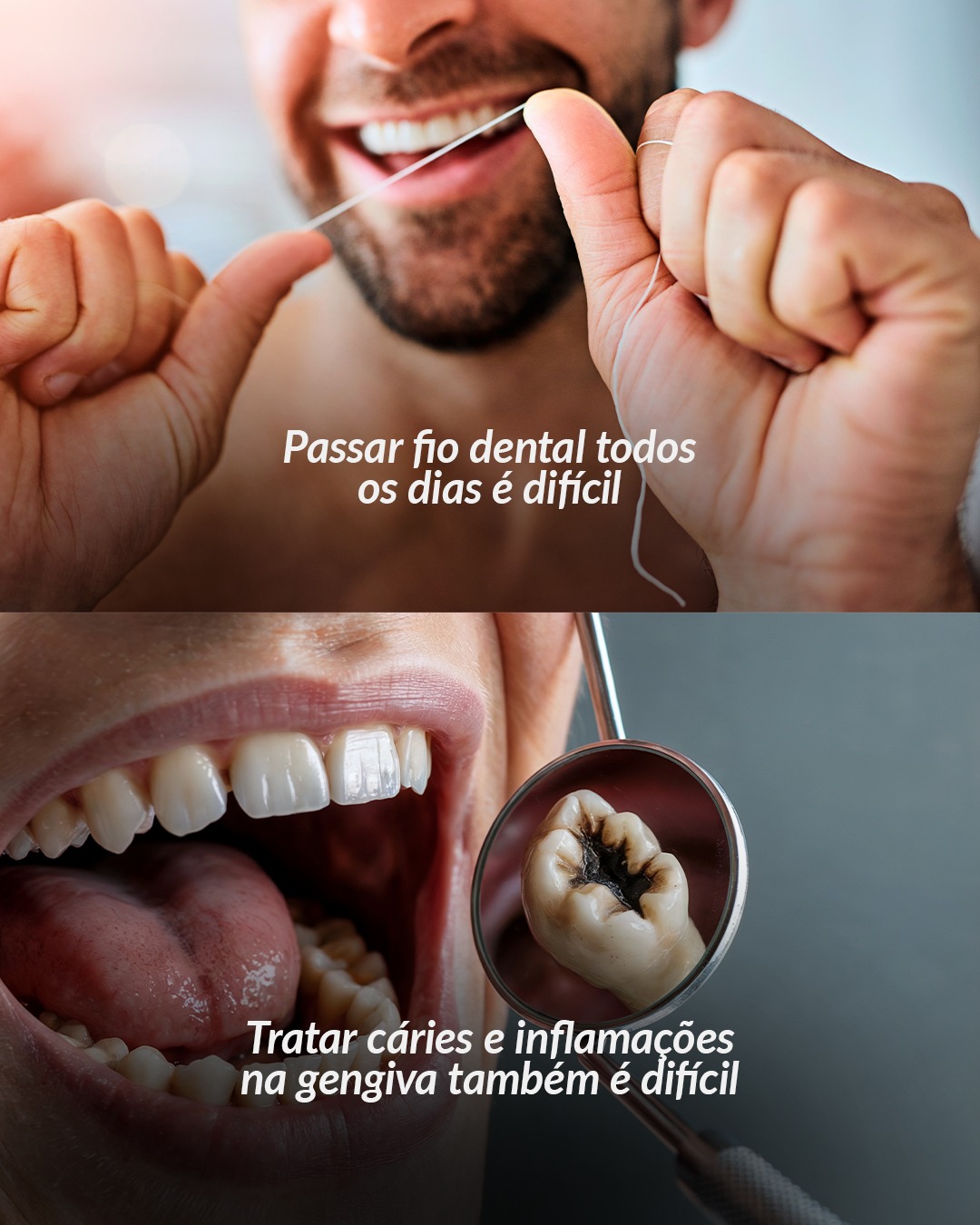
Orthodontic myths debunked — that phrase may sound simple, but for many people those myths are precisely what keeps them postponing a consultation they already know they need. If you have ever caught yourself thinking "my case is too complicated," "I am too old for braces," or "it is going to hurt too much," you are not alone — and chances are, at least one of those beliefs is not accurate.
Why We Keep Delaying Treatment
Fear rarely announces itself honestly. More often, it disguises itself as logic: "I will book that appointment next month," or "I need to think about it a little more." Research confirms that dental anxiety — known clinically as odontophobia — affects a significant share of adults, with its roots usually tracing back to childhood experiences that no longer reflect the reality of modern dentistry.
The important thing to understand is that procrastinating on orthodontic treatment is almost never about laziness. It is, in most cases, anxiety wearing the mask of rational delay. Recognising this distinction is the first step toward making a decision that is genuinely yours.
The Most Common Myths — and What the Evidence Actually Shows
"Braces hurt a lot"
This belief is based on techniques that are decades out of date. Modern orthodontic forces are significantly lighter than those used in the past, which means tooth movement is more gradual and considerably less uncomfortable. Some mild soreness after adjustments is completely normal, but the intense pain that many patients dread simply does not reflect current practice.
"Adults cannot have orthodontic treatment"
This is one of the most persistent myths — and it is entirely false. There is no upper age limit for orthodontic treatment. The idea that braces are "only for children" comes from a confusion between orthodontics and facial orthopaedics, which is a different branch that works with a growing bone structure. Tooth alignment, however, is achievable at any age when approached correctly.
"Braces damaged my teeth"
In reality, braces do not damage teeth. Poor oral hygiene during treatment can lead to plaque accumulation around brackets, which in turn may contribute to decay. The real cause is always inadequate cleaning — never the appliance itself. With consistent brushing habits, braces are completely safe.
"My case is too complicated for treatment"
Modern orthodontics has changed enormously. Clear aligners, for example, now address many cases that previously required surgical intervention. A proper clinical evaluation — not a guess, not a comparison with a friend's story — is the only reliable way to understand what your specific situation actually requires.
"Clear aligners are less effective than traditional braces"
This is another claim that does not hold up against evidence. When worn correctly and consistently, clear aligners produce results that are comparable to fixed appliances across a wide range of cases. The deciding factor is compliance — wearing them for the recommended hours each day. If you want to learn more about how this option works, you can read more about Invisalign treatment and whether it might be right for you.
The Real Cost of Waiting
Delay has a price — and it is not only financial, though that matters too. Untreated misalignment can affect chewing efficiency, jaw joint health, and even breathing patterns over time. Beyond the physical effects, there is also the quieter cost of self-consciousness: the smile held back, the photo avoided, the confidence that never quite arrives.
The longer treatment is postponed, the more likely it becomes that secondary problems will develop — problems that grow more complex and more expensive to address later. If this sounds familiar, this article on why patients keep delaying orthodontic treatment might resonate with you more than you expect.
Why These Myths Survive
Orthodontic myths do not persist because people are careless. They survive because each one contains a half-truth or reflects an experience that was real at some point — just no longer current. A friend who had a painful experience twenty years ago is reporting something genuine. The problem is that techniques and technology have changed dramatically, and outdated stories travel further than updated facts.
Content that educates honestly — without dismissing fears — is consistently more effective at helping hesitant patients reach real decisions. Studies in dental marketing suggest that educational content can increase patient conversion rates by up to 40%, not because it sells harder, but because it removes the uncertainty that feeds delay.
The Question Worth Asking Yourself
Which of these myths did you believe before reading this article?
That question is not rhetorical. There is a well-documented psychological principle called the generation effect: information you actively recall from memory is retained and shared far more powerfully than information you passively absorb. When you identify a belief you held and recognise it as inaccurate, that shift feels like discovery — not correction.
That is precisely why education works better than persuasion. It does not push people toward a decision. Instead, it removes the obstacles that were already in the way.
What the First Consultation Actually Looks Like
One of the quietest myths is the idea that booking a consultation is a commitment. It is not. A first appointment is simply a conversation — an opportunity to ask questions, understand your options, and leave with accurate information rather than assumptions. Nothing is scheduled, nothing is agreed upon, and nothing happens without your full consent.
For a clearer picture of what the full process involves, this article on complete orthodontic treatment walks through the journey honestly, from the first assessment to the final result.
Ready to Replace the Myth with the Facts?
If something in this article felt familiar — if you recognised a belief you have been carrying — the next step is simply a conversation. There is no pressure, no commitment, and no judgement involved.
Reach out via WhatsApp and ask whatever questions you have: https://wa.me/+351926533304
The first consultation is just a chat. Sometimes that is the only thing standing between where you are now and the smile you have been putting off.