Gum health after 50 is something most people do not think about until something goes wrong — and by then, the damage can already be significant. Studies reveal that 41.5% of adults over 60 have lost all their natural teeth, a number that sounds alarming but is largely preventable. With the right information and regular dental care, most of these outcomes can be avoided.
After 50, your mouth goes through real changes. Understanding those changes — and knowing which warning signs deserve attention — can protect both your smile and your overall wellbeing.
What Changes in Your Mouth After 50
Several physical changes begin to affect oral health as you age. Your gums may start to recede slightly, exposing more of the tooth surface to bacteria and temperature changes. The bone structure that holds your teeth in place can also become more fragile over time.
One of the most underappreciated changes is a drop in saliva production. Saliva does more than keep your mouth moist — it neutralizes acids, washes away harmful bacteria, and helps protect tooth enamel from decay. Many common medications taken by adults over 50 reduce saliva flow, which significantly increases the risk of cavities and infections.
Gum tissue, meanwhile, becomes more susceptible to infection. Periodontal disease — an infection of the gums and supporting structures around the teeth — tends to advance more aggressively in older adults. Even more concerning, it often does so without causing any pain, which means many people do not realize anything is wrong until the condition is well advanced.
Warning Signs You Should Not Ignore
Bleeding gums during brushing is the most common sign of periodontal disease — and the most frequently dismissed. Many people assume it is normal, or that their toothbrush is simply too firm. However, healthy gums do not bleed. When yours do, that is your body's earliest warning signal.
Other signs to watch for include:
- Persistent bad breath that does not go away with brushing or mouthwash
- Red, swollen, or tender gums
- Gums that appear to be pulling away from the teeth
- Loose teeth or changes in how your teeth fit together when you bite
According to dental health experts, periodontal disease has no cure — only control. The earlier it is identified, the simpler and less invasive the treatment tends to be. Any of these signs warrants a prompt dental evaluation.
How Your Mouth Affects Your Overall Health
Your mouth is connected to the rest of your body in ways that go far beyond chewing and speaking. Research has established a clear link between periodontal disease and serious conditions throughout the body.
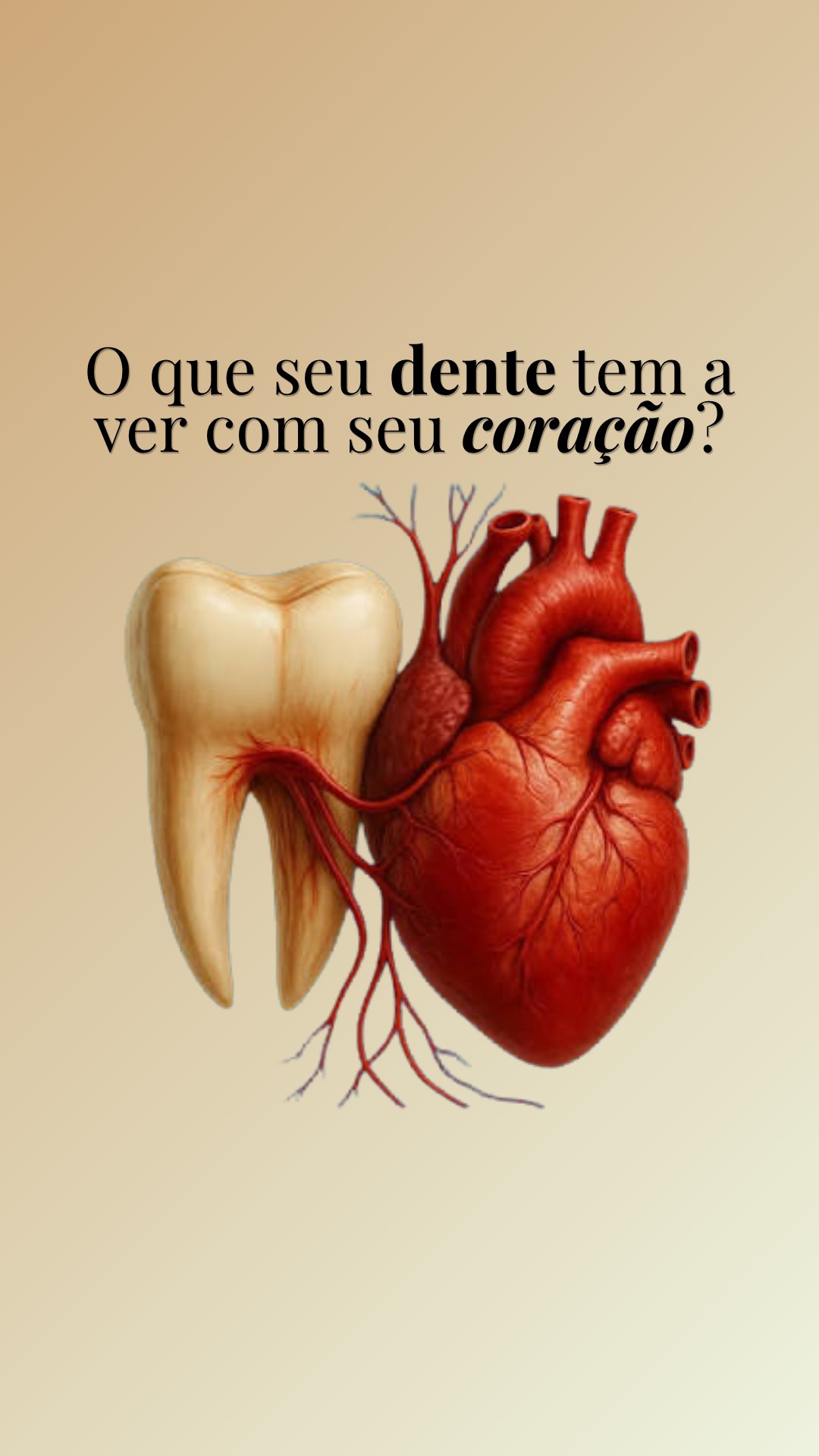
Bacteria from infected gum tissue can enter the bloodstream, triggering widespread inflammation. For people living with diabetes, this makes blood sugar management significantly harder. For those with cardiovascular conditions or a family history of heart disease, periodontal bacteria have been linked to an increased risk of heart attack and stroke.
This relationship works in both directions: poor gum health worsens existing conditions, and conditions like diabetes can in turn make gum disease harder to treat. As a result, caring for your gums is not just a dental matter — it is a genuine investment in your full-body health.
Why Early Dental Checkups Change the Outcome
The difference between catching gum disease early and finding it late can be dramatic. Detected in the early stages, treatment often requires nothing more than a professional cleaning and improved daily hygiene at home. Left untreated for years, the same disease may require surgery or result in permanent tooth loss.
Preventive dental checkups are one of the most important habits you can build — not as a reaction to pain, but as a proactive part of looking after yourself. During a routine evaluation, your dentist can measure gum pocket depth, check for early bone loss, detect inflammation, and address any issues before they become complex or costly.
Most adults over 50 benefit from a checkup every six months. Those who already have gum disease or other risk factors may need more frequent visits as part of an ongoing care plan.
Practical Steps You Can Start Today
Good daily habits are the foundation of healthy gums at any age. Here is a simple checklist to help you stay on track:
- Brush twice a day for at least two minutes, using a soft-bristled toothbrush
- Floss once a day to clean the spaces between teeth where bacteria accumulate
- Drink plenty of water throughout the day to support healthy saliva flow
- Limit sugary and acidic foods, which cause more damage when saliva production is low
- Tell your dentist about all medications you take, as many affect oral health in ways you may not expect
- Schedule a checkup every six months, or as your dentist recommends
Pairing consistent daily habits and dental health routines with regular professional care is the most effective strategy for protecting your teeth and gums long term.
Ready to Take the Next Step?
If you are over 50 — or if any of the warning signs above sound familiar — a comprehensive dental evaluation will give you a clear picture of where your oral health stands today and what steps make sense next.
Talk to us on WhatsApp to schedule your evaluation. Early action is always the most effective action.