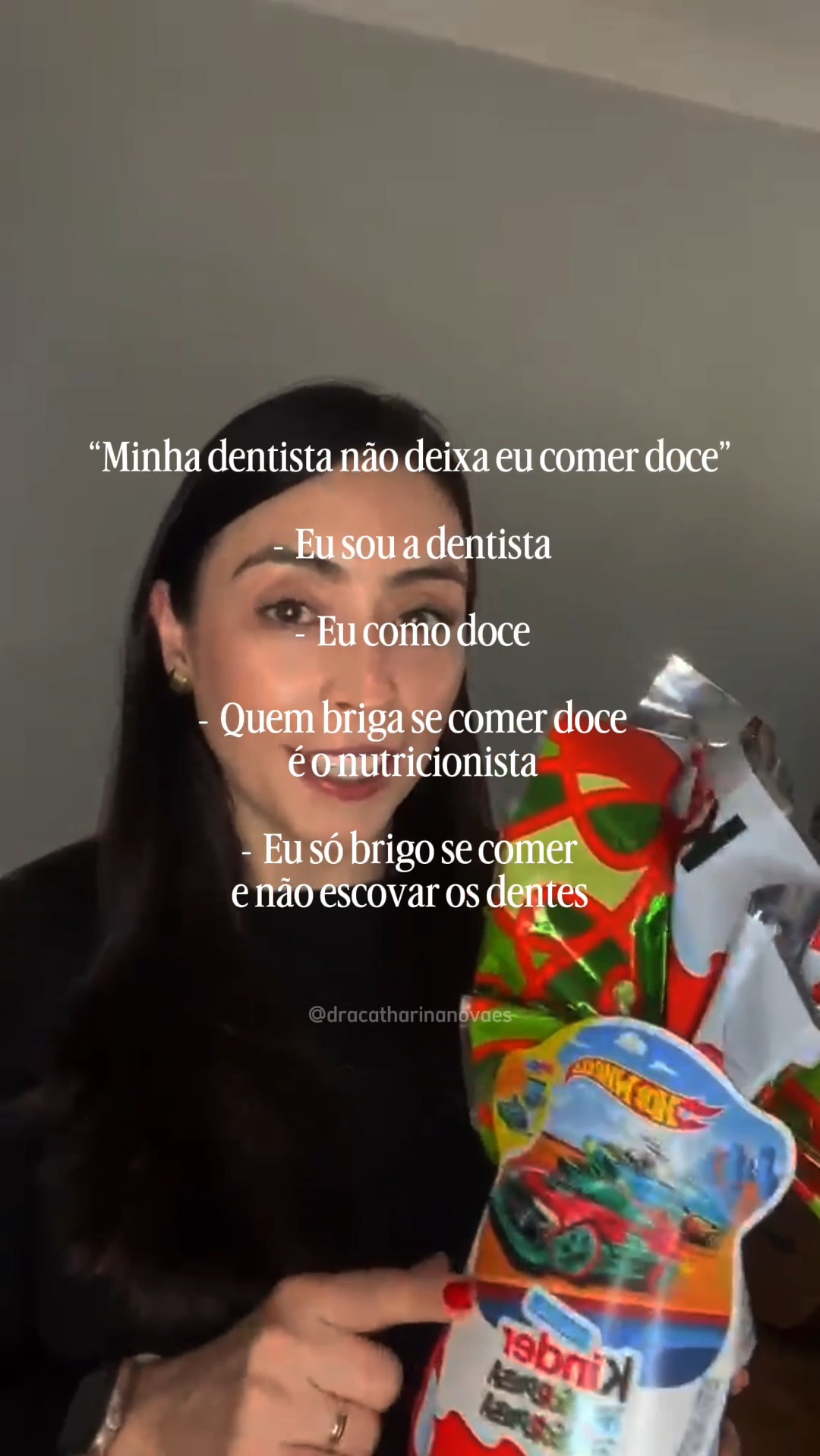
Sweets and oral hygiene are not enemies — and honestly, your dentist is probably the last person who wants to ban dessert from your life. The idea that eating sugar automatically destroys your teeth is one of those dental myths debunked by science that keeps coming back. What matters far more than what you eat is what you do right after.
Sugar Isn't the Only Villain Here
For a long time, people assumed that cutting out sweets was the key to avoiding cavities. However, the science tells a different story. According to Hospital Einstein, sugar alone is not what causes tooth decay — genetics, specific bacteria, and poor brushing habits all play an equally important role. So while sugar is a contributing factor, the real damage happens when sugar meets a mouth that isn't being cleaned properly.
What Actually Happens After You Eat Something Sweet
Every time you eat sugar, the bacteria naturally present in your mouth feed on it. As a result, they produce acids that slowly attack the outer layer of your teeth — the enamel. This acid attack typically lasts around 20 minutes after eating. The good news is that your saliva works to neutralize those acids over time. However, if you snack on sweets throughout the day without brushing, the acid never really stops. Over time, that steady exposure adds up to real damage.
Brushing at the Right Time Matters More Than You Think
According to the Brazilian Federal Council of Dentistry (CFO), brushing your teeth after meals — especially at night — is more important for preventing cavities than simply avoiding sugar altogether. Skipping the nighttime brush is one of the most common mistakes people make. During sleep, saliva production drops significantly, leaving your mouth with less natural protection. Without brushing before bed, any sugar residue left on your teeth becomes a feast for bacteria overnight.
Good habits don't need to be complicated. Using fluoride toothpaste consistently is one of the most effective tools available, since fluoride actively strengthens enamel and helps protect against acid damage. Research from the University of São Paulo confirms that proper brushing technique combined with regular fluoride use can significantly reduce your cavity risk — even when your diet includes sugar on a regular basis.
"Natural" Sugar Is Still Sugar to Your Teeth
Many people switch to honey, coconut sugar, or raw cane sugar thinking it's a safer choice for their teeth. Unfortunately, that assumption isn't quite right. When it comes to oral bacteria, all forms of sugar behave the same way — bacteria don't read nutritional labels. Swapping refined sugar for a "natural" alternative does nothing to protect your teeth if the toothbrush stays dry afterward. The type of sugar matters far less than what you do after eating it.
Your No-Guilt Guide to Enjoying Sweets
The goal isn't to feel bad about eating a cookie — it's to build habits that keep your teeth protected. Here are a few simple steps that make a real difference:
- Brush after sweets — ideally within 30 minutes, especially after sticky or very sugary foods
- Avoid grazing on sugar all day — one dessert after a meal is far less harmful than sipping a sugary drink for hours
- Use dental floss daily — plaque builds up between teeth where your toothbrush can't reach (find out more about why flossing cannot be replaced)
- Drink water after eating sweets — it helps rinse away some sugar and acid before you can brush
- Never skip the nighttime brush — this single habit has more impact than almost anything else
These steps work together, and none of them require giving up the things you enjoy. For a deeper look at routines that truly support your teeth long-term, check out daily habits for dental health that last.
Ready to See How Your Routine Holds Up?
The best thing about modern dental care is that it doesn't have to feel like a lecture. You don't need to eliminate dessert — you just need to know that your daily habits are actually doing their job. A simple preventive checkup can show you exactly where things stand and catch any small issues before they become bigger problems.
At Catarina Novaes Dentistry, the approach is always practical and judgment-free. Nobody is here to scold you for eating chocolate. Feel free to reach out via WhatsApp to book a preventive consultation — because taking care of your teeth is much easier when it doesn't feel like a punishment.