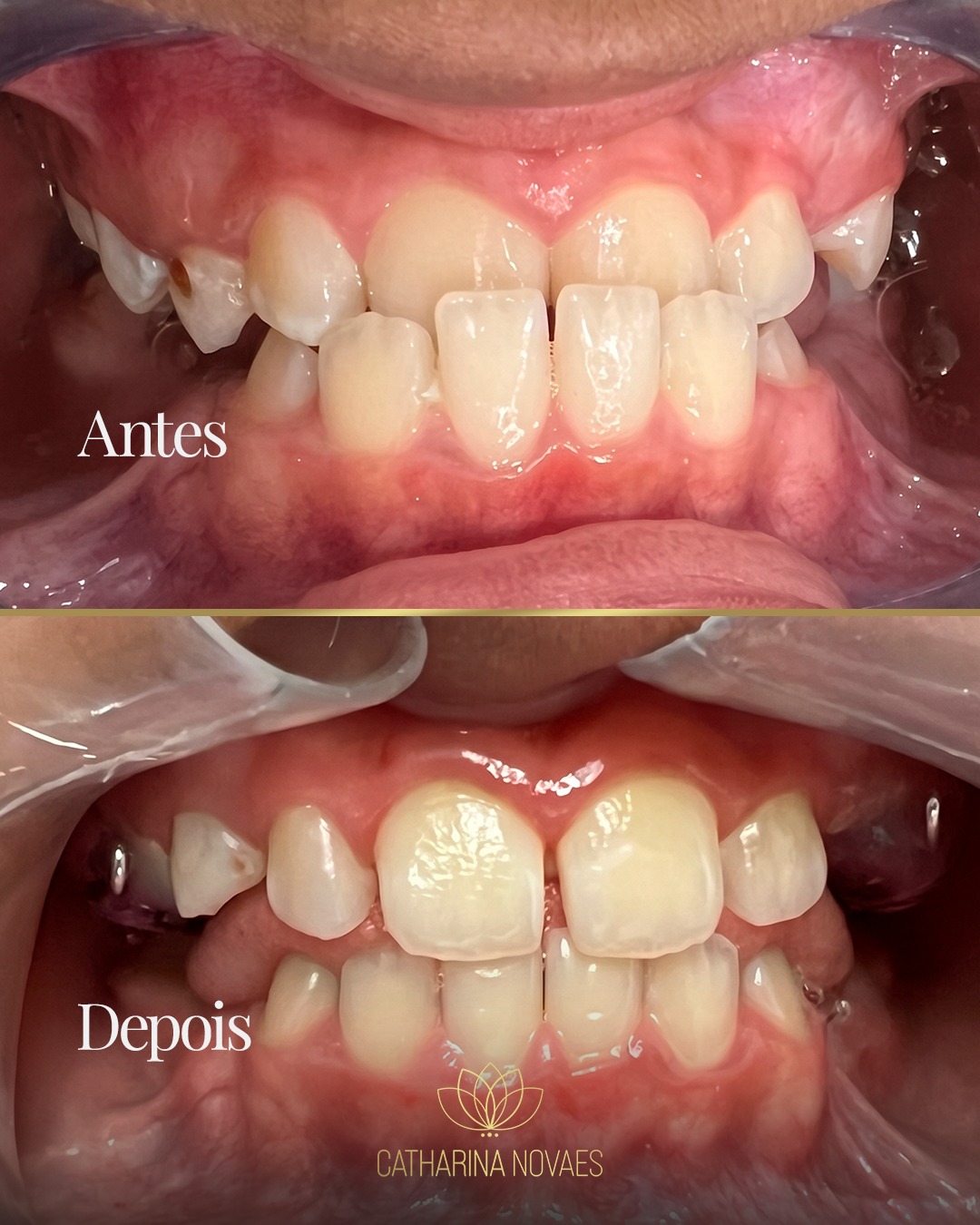
Bite problems warning signs often appear in the most ordinary moments — and that is exactly why so many people miss them. You might be biting the inside of your cheek while eating, watching your floss shred in the same spot every single time, or breathing through your mouth while you sleep. These are not random quirks. They are your body sending quiet signals that something in the way your teeth meet may not be quite right.
Orthodontics is often seen as a cosmetic treatment — something you do to straighten teeth before a wedding or school photos. In reality, it is one of the most structural branches of dentistry. A well-aligned bite protects your enamel, reduces stress on your jaw joints, and keeps your chewing muscles working in balance. When the bite is off, the consequences build up slowly — and by the time they become obvious, some of the damage is already done.
Three Everyday Signs Worth Paying Attention To
Not every bite problem shows up on an X-ray right away. Many of them appear first in everyday habits that people either ignore or blame on something else. The following three signs are among the most common — and the most overlooked.
Mouth Breathing: More Than Just a Habit
Breathing through your mouth instead of your nose might seem like a minor quirk. However, when it becomes a regular pattern — especially during sleep — it can affect the structure of your face and the alignment of your teeth over time.
Mouth breathing is recognized clinically as a syndrome with physical, mental, and social consequences. It can narrow the roof of the mouth, change the direction of facial growth, and shift the teeth out of alignment. The tongue, which should rest against the upper palate, loses its natural resting position. That shift puts ongoing pressure on the teeth from the wrong direction, slowly nudging them out of place.
Early attention to this pattern makes a real difference. Children identified as mouth breathers before age seven tend to respond much better to treatment — often without needing more complex procedures later on. If your child sleeps with their mouth open or breathes loudly at night, it is worth mentioning to a dentist sooner rather than later. For a closer look at how this shows up in children, see our article on mouth breathing warning signs in children.
Cheek Biting: Not Just a Stress Response
Many people bite the inside of their cheek when they feel anxious or nervous. But if it happens frequently — even during calm, focused meals — stress may not be the real cause.
When teeth are crowded or misaligned, they can create a closing path that catches the cheek tissue with each bite. The cheek ends up in the way of the teeth, not because of a nervous habit, but because the teeth are not meeting correctly. Over time, this repeated friction causes visible thickening and irritation of the inner cheek lining, which is worth having evaluated by a professional.
Notice whether the biting tends to happen in one specific area. Repeated biting in the same spot is a much stronger sign that the shape of your bite — not your stress levels — is driving the problem.
Dental Floss Fraying in the Same Spot
Floss breaking or shredding occasionally is completely normal. However, when it happens in the same exact spot every single time, that is a detail worth paying attention to.
Crowded or misaligned teeth create tight, uneven contact points between them. Those sharp or irregular edges catch the floss and cut through it before it can clean properly. Beyond the inconvenience, those same tight spots trap food debris and plaque in areas a toothbrush simply cannot reach — raising the risk of cavities and gum problems between the teeth.
Interestingly, many people assume this is a floss quality issue and simply switch brands. The real issue, though, is often the shape of the contact between two teeth. A straightforward orthodontic assessment can identify whether crowding is behind the problem. Our post on why dental floss cannot be replaced explains more about what flossing reveals about your oral health.
What Happens When a Bite Is Left Unbalanced
A misaligned bite does not only affect the teeth — it affects the entire chewing system. When teeth do not meet evenly, certain teeth carry more force than others. That uneven pressure wears down the enamel faster in specific spots, a process known as attrition.
Enamel does not regenerate. Once it is lost, it is gone for good. Dental professionals use a tool called the BEWE index (Basic Erosive Wear Examination) to track enamel loss over time and catch it before it requires extensive restoration. Identifying whether the cause is diet, acid reflux, grinding, or a bite imbalance is the essential first step.
Jaw joint problems — known as temporomandibular dysfunction, or TMD — are another consequence of bite imbalance. According to a review on orthodontics and TMD indexed in the Latin American health database, open bites, crossbites, and deep overbites are among the occlusal factors most closely associated with this condition. The jaw joint becomes overworked trying to compensate for an uneven bite, which can lead to clicking, pain, and restricted jaw movement over time.
Why Acting Early Costs Less — In Every Way
Orthodontic issues tend to become more complex with time, not simpler. Addressing a bite problem during childhood — when the jaw is still actively growing — is almost always faster, easier, and less expensive than treating the same issue in adulthood.
Most clinical guidelines recommend a first orthodontic evaluation around ages six to seven. At that stage, the goal is not necessarily to start treatment right away — it is to confirm that development is on track and to catch anything that early action could prevent from becoming a bigger problem. Our post on early orthodontic intervention and why timing matters covers this in more detail.
For adults, the same logic applies. A bite issue that has been present for years without obvious symptoms can still benefit significantly from treatment — especially when enamel wear, cheek biting, or jaw discomfort are already making themselves known.
A Quick Self-Check
Ask yourself these three questions:
- Do you regularly bite the inside of your cheek while eating?
- Does your floss shred or break in the same spot every time you floss?
- Do you — or does your child — breathe through the mouth, especially during sleep?
If you answered yes to any of these, a preventive evaluation is worth scheduling. These signs do not necessarily mean something serious is wrong right now — but they do mean something is worth checking before it goes further.
Ready to Find Out What Your Bite Is Telling You?
You do not need to wait for pain to book an orthodontic appointment. A preventive evaluation is quick, non-invasive, and can catch issues well before they need more complex treatment.
If any of these signs feel familiar, reach out via WhatsApp to schedule an assessment. It takes far less time than you might think — and it can save a lot of trouble later.