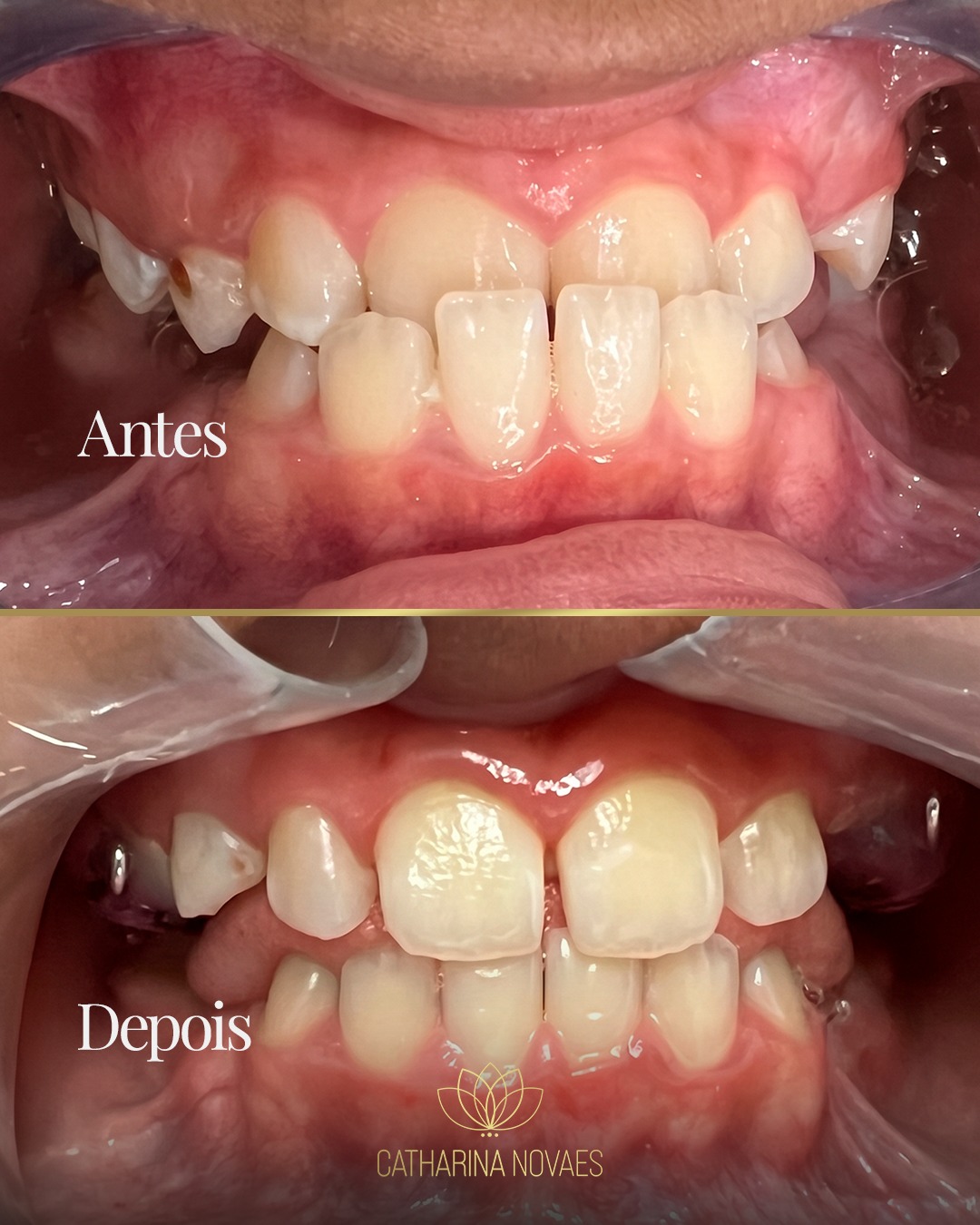
Underbite orthodontic treatment can change far more than the way your smile looks. When you close your mouth and your lower teeth overlap your upper teeth instead of the other way around, that is called an underbite — and it is a problem worth taking seriously. Beyond appearance, an underbite affects how you chew, how your jaw moves, and even how your gum tissue holds up over time.
What Is an Underbite?
An underbite happens when the lower front teeth sit in front of the upper front teeth when the mouth is closed. This is the opposite of a normal bite, where the upper teeth gently overlap the lower ones. Sometimes the problem is limited to the teeth themselves being positioned incorrectly — called a dental underbite. In other cases, the upper and lower jaws are themselves out of proportion — a skeletal underbite.
The distinction matters because it guides the type of treatment your orthodontist will recommend. Underbites can also appear in two main forms: anterior, affecting the front teeth, and posterior, affecting the back teeth. Either way, the misalignment creates ongoing stress on the entire chewing system.
Why an Underbite Is More Than Just Cosmetic
Many people think of an underbite as a purely aesthetic concern. However, if left untreated, it leads to a range of real health problems over time:
- Accelerated tooth wear: Teeth in the wrong position grind against each other in abnormal ways, leading to wear, sensitivity, and even fractures.
- Jaw joint strain: The jaw joint absorbs forces it was not designed to handle, which can cause headaches, clicking sounds, and difficulty opening the mouth. Clinical evidence shows that correcting the bite also benefits the jaw joint.
- Gum recession: Teeth out of alignment create pressure points on gum tissue, promoting recession and increasing the risk of gum disease.
- One-sided chewing: Around 80% of people with a crossbite develop a habit of chewing on only one side, overloading the muscles and potentially causing visible facial asymmetry over the years.
In short, leaving an underbite untreated does not just affect appearance — it allows damage to build up silently across multiple structures.
How Orthodontic Treatment Corrects an Underbite
The goal of treatment is to bring the upper and lower arches into their proper relationship, with the upper teeth sitting in front of the lower ones. Depending on the cause and severity, options may include:
- Fixed braces or clear aligners to reposition teeth gradually and eliminate pressure points on the gums.
- Orthopedic appliances in younger patients to guide jaw growth before the bones finish developing.
- Orthognathic surgery for adults with severe skeletal cases where appliances alone cannot fully correct the bone position.
Once the bite is corrected, chewing forces are distributed evenly across all the teeth and the jaw joint. The teeth stop grinding in harmful ways, and the jaw muscles no longer need to compensate for a misaligned bite. If you are curious about discreet treatment options, it is worth learning about Invisalign to see whether clear aligners are right for your case.
The Best Time to Treat: Children vs. Adults
Timing makes a significant difference with underbite treatment. In children and teenagers, the bones are still growing and respond well to orthopedic appliances that guide jaw development. Treating early can simplify the entire process and avoid more complex interventions later — which is exactly why scheduling an early orthodontic evaluation for children matters so much.
For adults, treatment is still entirely possible and effective. Fixed braces or clear aligners can correct dental underbites at any age. Skeletal cases may require surgery, but many underbites in adults are primarily dental and respond well to orthodontic treatment alone.
The bottom line: the earlier an underbite is found, the simpler the solution tends to be. That said, waiting until adulthood is never a reason to skip treatment altogether.
What Your Smile Looks Like After Treatment
One of the most noticeable changes after correcting an anterior underbite is the reappearance of the upper front teeth in the smile. When the lower teeth overlap the upper ones, the upper incisors become hidden — giving the smile a "bulldog" appearance and making the face look older than it actually is. After correction, the upper teeth return to their natural position at the front of the smile, creating a more open, balanced, and youthful look.
This change is not purely cosmetic. It reflects that the teeth and jaw are now working the way they were designed to — which is the real goal of orthodontic treatment.
Ready to Take the Next Step?
If you notice that your lower teeth overlap your upper ones, feel discomfort while chewing, or simply feel that your smile is not showing your upper teeth as it should, it is worth getting a proper evaluation. An orthodontist can determine whether your underbite is dental, skeletal, or a mix of both, and recommend the right path forward.
Reach out via WhatsApp to book your consultation: Talk to us on WhatsApp. There is no pressure — just a conversation about your bite and your options.