Mouth breathing in children is more than just a habit — it can be a clear sign that something is affecting your child's breathing, sleep, and overall development. Many parents notice their child's mouth is always open, or that dark circles have appeared under their eyes, without realizing these are warning signs of a deeper issue. Recognizing these signs early can make a real difference in your child's health and future.
Warning Signs You Can See on Your Child's Face
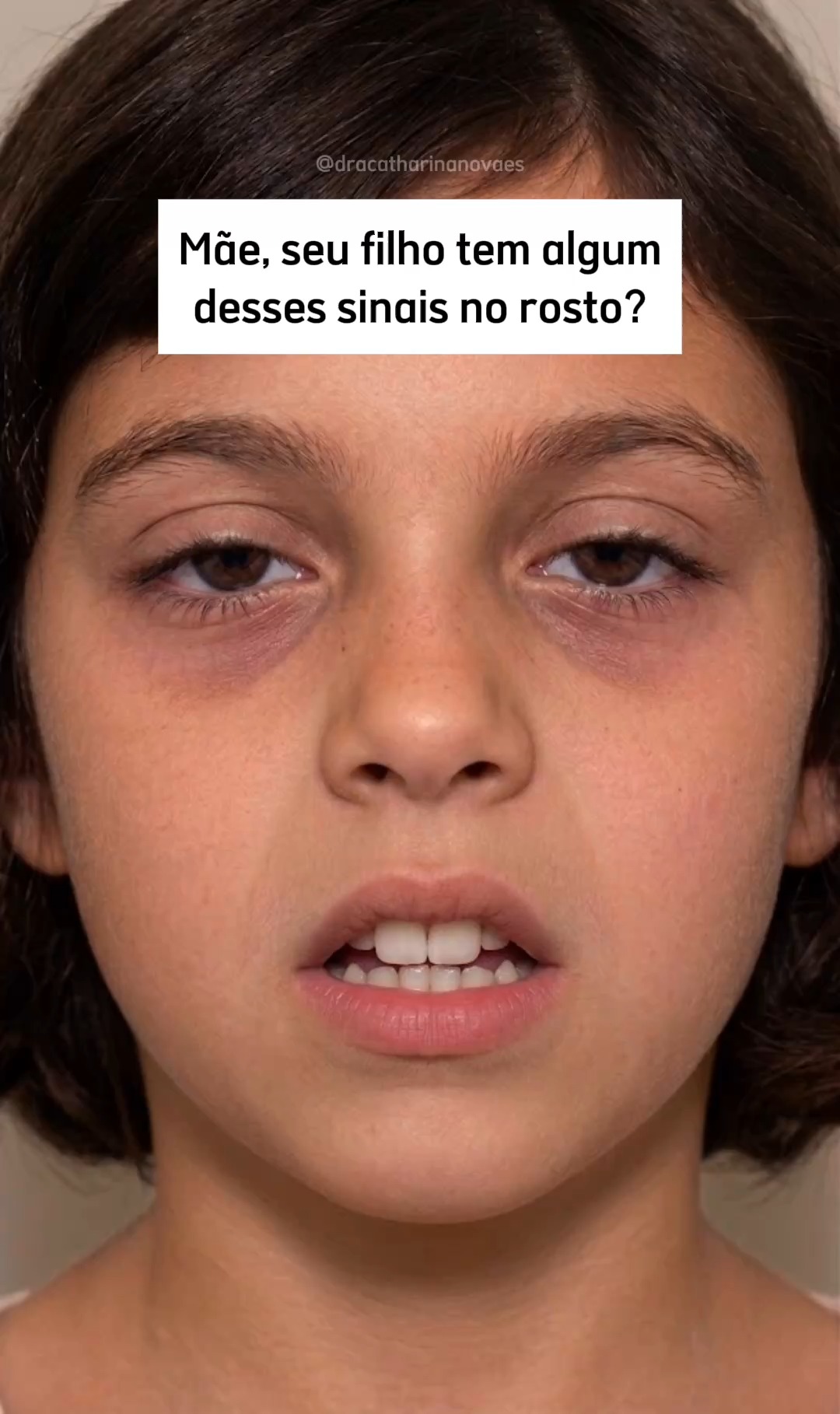
Some physical signs show up quite clearly when mouth breathing becomes a daily pattern. Dark circles under the eyes are among the most common — even in children who seem to sleep enough hours. A tired, droopy look around the eyes, dry or chapped lips, and a mouth that stays open even at rest are all signs worth paying attention to. Crooked teeth may also appear, not just because of genetics, but because the tongue is not resting against the roof of the mouth where it should be.
These signs are often dismissed as tiredness or a passing phase. However, when they appear together and persist over time, they point to a breathing pattern that deserves proper evaluation.
How Mouth Breathing Reshapes the Face
When a child breathes through their mouth over a long period, the face starts to grow differently. Instead of developing forward and wide, it tends to grow downward — becoming longer and narrower. The roof of the mouth, called the palate, becomes high and arched, leaving less space for the teeth to align properly.
Over time, this leads to crowded teeth, crossbite, and open bite — all of which make future orthodontic treatment more complex. These changes are not just cosmetic; they are structural. Specialists in facial development note that the facial skeleton remains moldable until around 12 to 14 years of age, which means that early action can often avoid surgery and reduce the need for extensive correction later.
To understand how facial structure influences dental treatment, read our article on facial structure and orthodontic diagnosis.
Poor Sleep, Poor Focus: The Link to School Performance
One of the most overlooked effects of mouth breathing in children is what it does to sleep quality. Children who breathe through their mouth at night tend to sleep restlessly, wake up frequently, and may snore. As a result, they often feel tired even after a full night in bed.
That constant tiredness directly affects performance at school. Research published in the Virtual Health Library shows that children with chronic mouth breathing struggle more with concentration, memory, reading, and writing — all linked to poor sleep caused by nighttime breathing difficulties. Notably, many cases labeled as attention deficit disorder are actually connected to this pattern of disrupted sleep. If your child is having ongoing trouble focusing or learning, it may be worth looking at how they breathe.
What Mouth Breathing Does to Oral Health
When the mouth stays open, saliva dries up quickly. Saliva is the mouth's natural defense — it washes away bacteria, neutralizes acids, and protects both gums and teeth. Without enough saliva, the risk of cavities, gum inflammation, bad breath, and tooth sensitivity rises significantly.
This happens even in children who brush their teeth correctly and regularly. The breathing pattern itself works against good oral health. Treating the underlying cause is therefore an essential part of protecting your child's teeth over the long term. For more on building lasting oral hygiene habits, see our article on daily habits for dental health.
What Usually Causes Mouth Breathing in Children
The most common causes include allergic rhinitis, enlarged adenoids or tonsils, and a deviated septum. These conditions block the nasal airway, forcing the child to breathe through their mouth instead. Addressing just the open mouth without finding the root cause is one of the most frequent — and costly — mistakes.
A thorough diagnosis looks at the whole picture: the nose, the airway, the bite, and the overall breathing pattern. This is why a team of specialists working together is always recommended over isolated consultations.
The Right Time to Act
The earlier a breathing problem is identified, the simpler treatment tends to be. Palate expanders, nasal treatments, and specific muscle exercises — often called orofacial myofunctional therapy — can correct the breathing pattern without surgery, but only if started while the bones are still growing.
Treatment before age 7 is significantly simpler than treatment at age 12. And correction at age 12 is still far less complex than waiting until adulthood. If you suspect your child may be a mouth breather, do not wait for the next routine checkup — seek a specialist evaluation as soon as possible.
To understand more about why timing is so important in childhood dental care, read our post on early orthodontic intervention.
Who Should Be on Your Child's Care Team
Mouth breathing is not treated by a single specialist. The recommended path usually starts with the pediatrician, then moves to an ENT doctor (ear, nose, and throat specialist) to address the nasal cause. From there, a pediatric dentist and orthodontist assess the dental and jaw development. A speech-language therapist trained in orofacial myofunctional therapy may also join the team to help retrain tongue position and facial muscle patterns.
Working with this full team — rather than seeing each professional separately — is what leads to lasting improvement and avoids partial solutions that treat symptoms without resolving the cause.
Take the First Step Today
If your child often sleeps with their mouth open, snores, wakes up tired, or has been struggling with focus at school, these are reasons to seek a professional evaluation. Acting early protects not just your child's smile, but their sleep, their learning, and their overall quality of life.
Talk to Dr. Catharina Novaes on WhatsApp to schedule an evaluation. Taking this step now can make all the difference in how your child grows and thrives.