Misaligned teeth health effects go far beyond the mirror — and that surprises most people. Many assume that crooked or crowded teeth are simply a cosmetic concern, something to fix for a nicer smile. But the science tells a different story: when your teeth don't line up properly, your whole body eventually feels the difference.
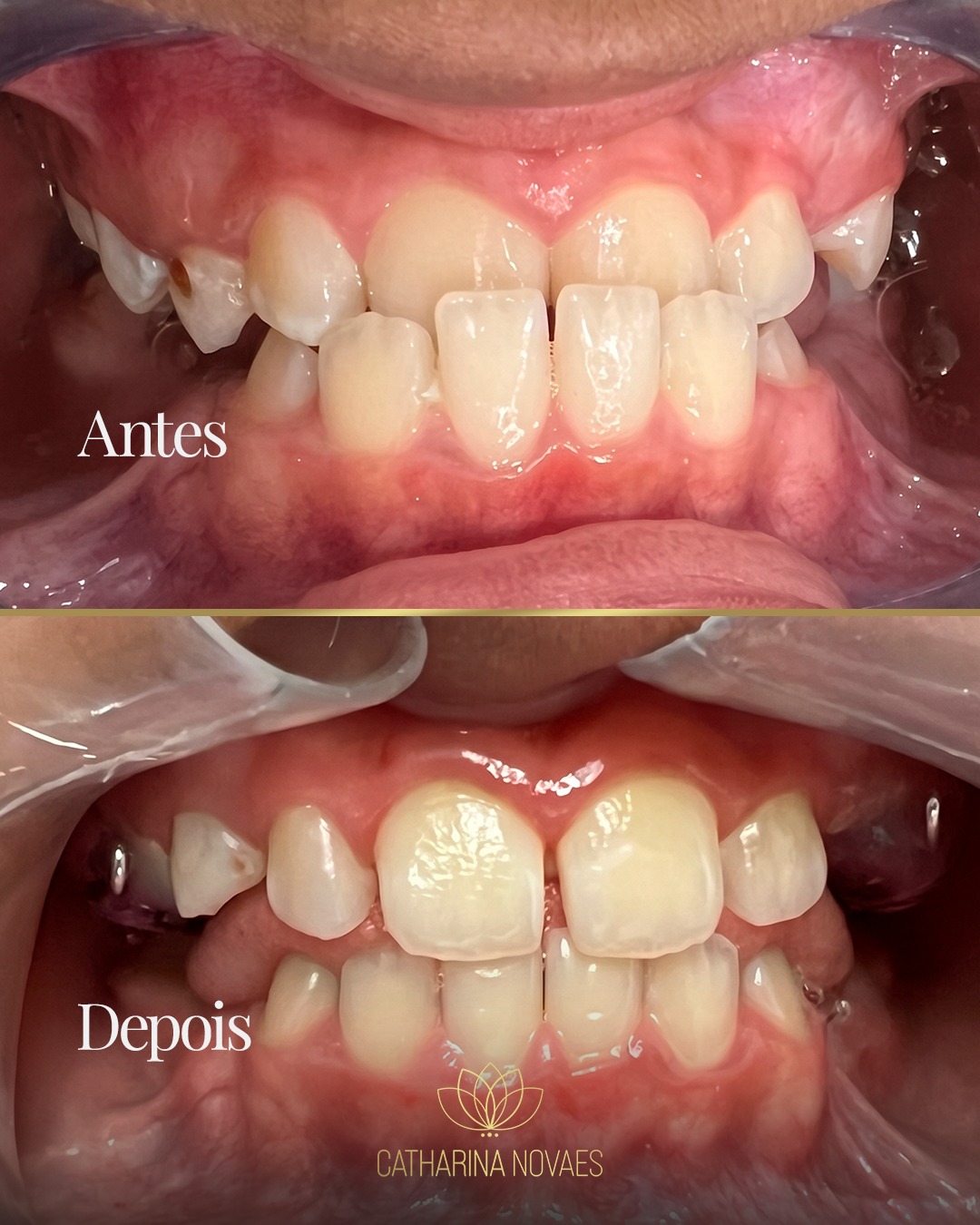
The technical term for this is malocclusion — when the upper and lower teeth don't fit together correctly when you close your mouth. It's more common than most people realize, and far more impactful than a quick glance in the mirror might suggest.
It Starts in Your Mouth — But Doesn't Stay There
When your teeth are misaligned, your bite force becomes uneven. Instead of spreading chewing pressure evenly across all your teeth, certain spots take on too much load. Over time, this leads to irregular wear, small cracks, and even fractures. Crowded teeth are also harder to clean — toothbrush bristles and floss can't reach every surface, which raises the risk of cavities and gum disease.
Then there's your jaw joint, known as the TMJ (temporomandibular joint). This small but hardworking joint moves every time you chew, speak, or yawn. With a misaligned bite, the TMJ has to constantly compensate — and that compensation doesn't stay in your jaw. It travels upward to your face, your neck, your shoulders, and can even trigger chronic headaches.
The Domino Effect: Posture, Breathing, and Systemic Health
Here's where things get unexpected. A study published in the International Journal of Environmental Research and Public Health (2022) followed nearly 10,000 young adults and found that people with malocclusion were more likely to report allergic rhinitis, asthma, and irregular heart rhythms. These are associations, not proven causes — but they point to a meaningful connection between dental alignment and overall health.
One of the key links is mouth breathing. When the jaw and teeth don't align well, breathing through the nose can become more difficult. So the body adapts by switching to mouth breathing — especially during sleep. A 2025 review in Children (PMC) found that chronic mouth breathing in kids is a significant risk factor for malocclusion and postural changes. Children who breathe through their mouths often develop a forward head posture, reduced neck curvature, and changes in how their palate and jaw grow.
Importantly, the relationship works both ways: mouth breathing can cause or be caused by dental misalignment. That's why early detection matters so much. If you've noticed your child sleeping with their mouth open, snoring, or waking up tired, those could be early signs worth checking. You can learn more in our article on mouth breathing warning signs in children.
Why Acting Early Makes Such a Difference
The good news is that when malocclusion is caught early — especially in children up to around age 14 — treatment is more effective and less complex. Bones are still growing at that stage, so an orthodontist can guide development before problems become permanent. Waiting until adulthood doesn't make treatment impossible, but it does make some effects harder to reverse, particularly chronic pain and disrupted sleep.
For adults, correcting your bite can relieve jaw tension, reduce headaches, and make it far easier to maintain good oral hygiene long-term. That's worth taking seriously, regardless of how your smile looks to others. If you're curious about related warning signs, check out bite problems and their warning signs for a closer look.
Signs That Misalignment Could Be Affecting You
Not sure whether your bite might be the issue? Here are some things worth noticing:
- Frequent jaw pain or clicking when opening or closing your mouth
- Headaches that tend to start near the temples or the back of the neck
- Teeth that look worn down or chipped without a clear cause
- Difficulty chewing, or a habit of always chewing on one side
- Waking up with a dry mouth or sleeping with your mouth open
- Crowded or overlapping teeth that feel hard to floss properly
Any one of these on its own isn't a definitive sign of malocclusion. However, if several feel familiar, a dental evaluation is well worth having.
This Is a Health Decision, Not a Vanity Choice
Straightening your teeth isn't about meeting a beauty standard. It's about giving your body the structural support it needs to function well every day. A properly aligned bite protects your teeth from unnecessary wear, eases the load on your jaw muscles, and supports better breathing and posture — especially during the years when bones and habits are still forming.
If you've been putting off an orthodontic check-up because it felt like 'just cosmetics,' now you have a solid health reason to book one.
Ready to Find Out Where You Stand?
You don't need a 'bad enough' smile to deserve a proper evaluation. Whether you're concerned about your own bite or noticing signs in your child, the right next step is a personalized conversation with someone who can look at your specific case.
Reach out on WhatsApp — it's a relaxed, no-pressure chat to get the information you need and take the next step with confidence.