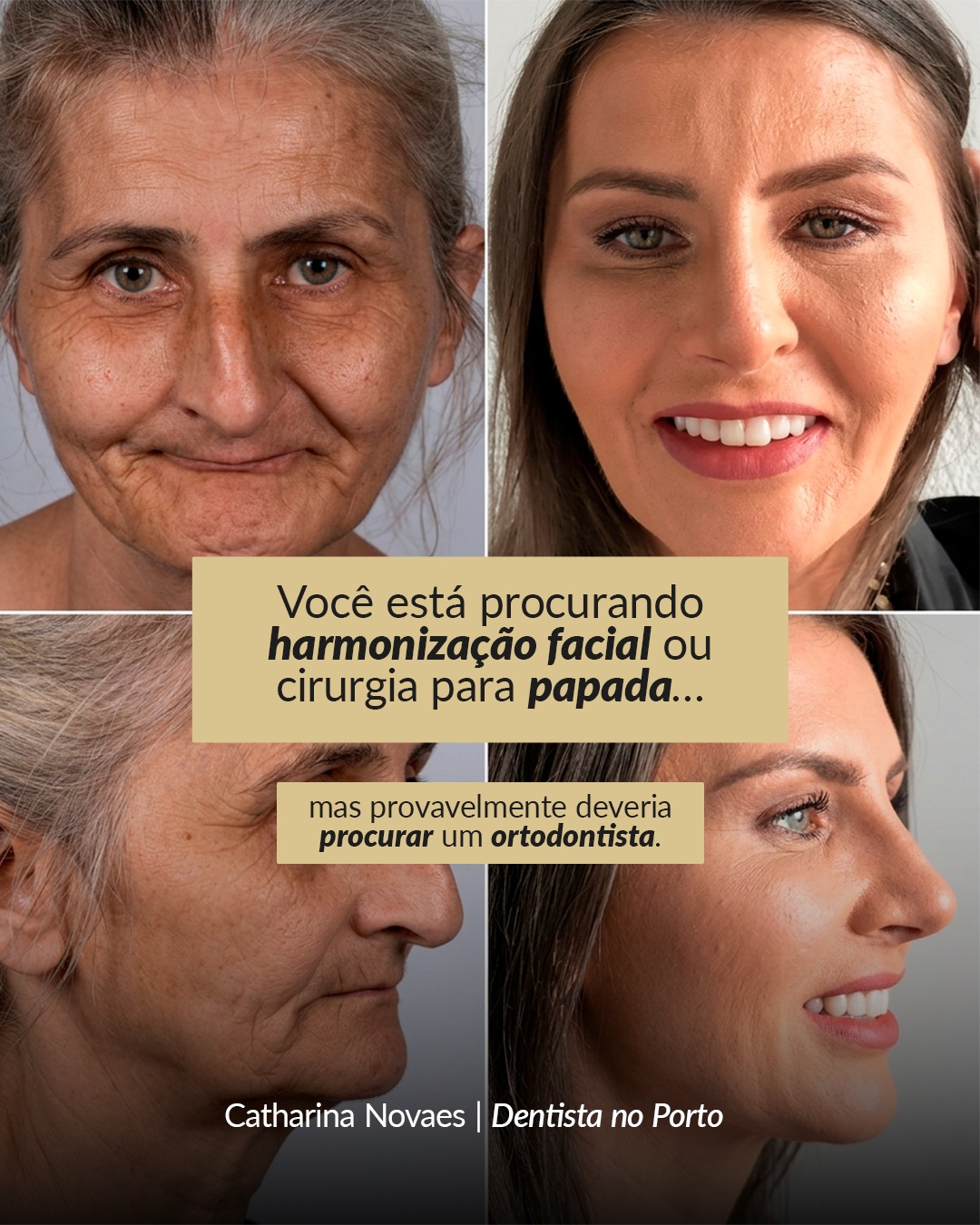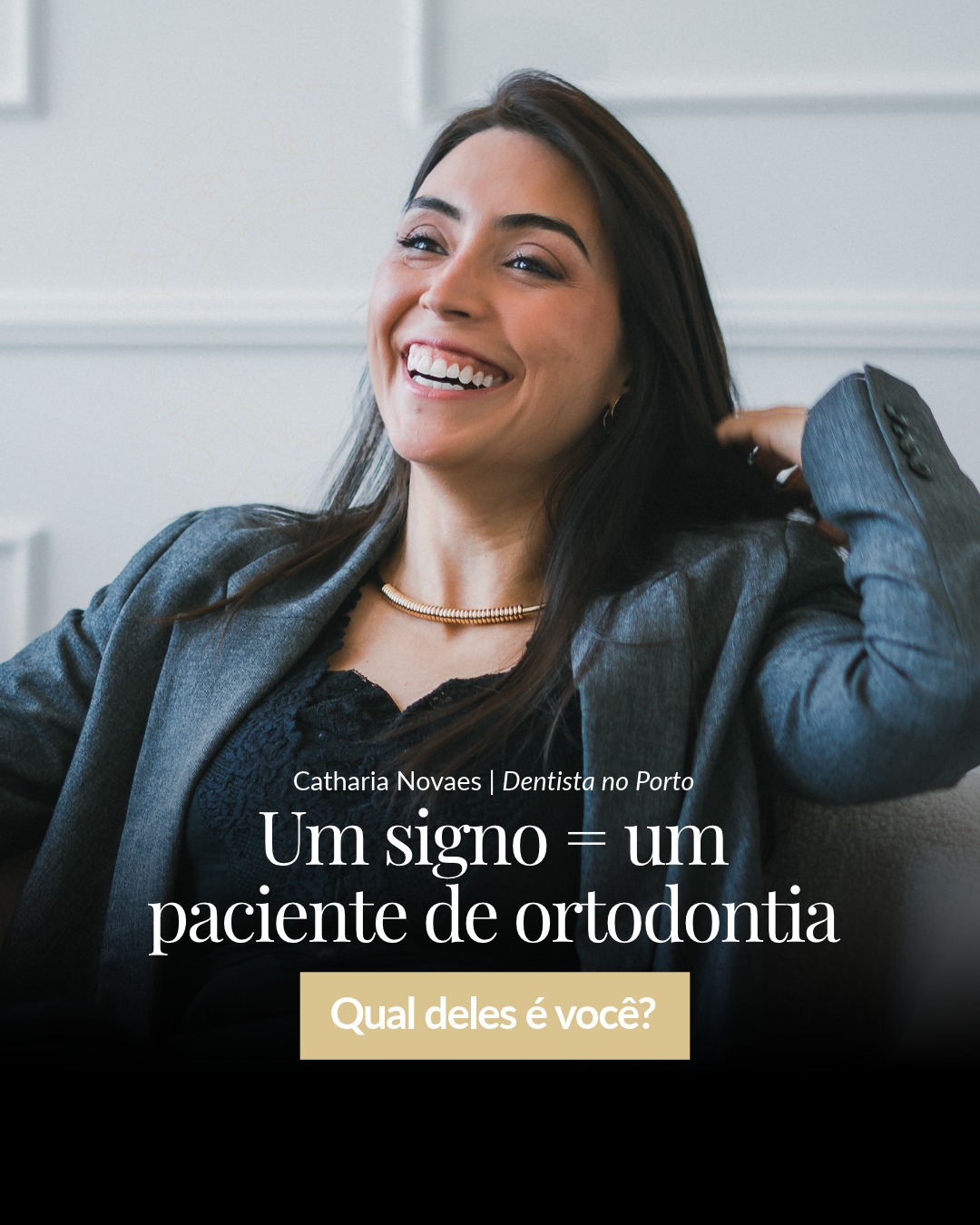
Orthodontic patient personality types are more varied than most people realize — and your behavior in the dental chair plays a bigger role in your results than you might expect. Whether you follow every instruction down to the last detail, occasionally forget your retainer, or obsess over every millimeter of your smile, your personal approach to treatment shapes the whole journey. That connection between personality and outcomes is not just interesting — it is backed by solid research.
Why Two Patients With the Same Treatment Get Different Results
Imagine two people starting orthodontic treatment on the same day, with the same diagnosis. Six months later, one is ahead of schedule. The other feels stuck and frustrated. What actually went wrong?
Often, the answer has nothing to do with brackets or wires. Instead, it comes down to habits, emotions, and how each person relates to their own care. According to research on patient adherence in orthodontics, motivation, emotional profile, and communication style are among the biggest predictors of treatment success. Adults tend to be more detail-oriented and demanding, while younger patients respond better to empathy and positive reinforcement. Fear, anxiety, and low information retention are real barriers — and they affect each patient differently.
Personalized care, therefore, is not a luxury. It is simply good method.
The Three Most Common Orthodontic Personality Types
Most patients fall into one of three familiar patterns. See if you recognize yourself:
The Rule-Follower This patient reads every instruction carefully and follows the protocol without question. They set reminders, never miss an appointment, and would not dream of eating hard candy with their braces on. Treatment tends to go smoothly for this type — though they can become overly anxious when something seems even slightly off.
The Forgetful One Great intentions, but inconsistent follow-through. This person genuinely wants to do well, though they sometimes leave their retainer on the bathroom counter or reschedule one too many times. The best approach here involves gentle reminders and encouragement — not lectures.
The Aesthetic Perfectionist Every selfie is a close-up. This patient is not just focused on health — they want every stage of their smile to look exactly right. They tend to notice minor asymmetries that others would not catch. With the right personalized orthodontic treatment plan, their attention to detail becomes a real asset.
What Does Your Star Sign Say About Your Dental Habits?
You might have already spotted your type — or maybe you need a little astrological nudge. The connection between zodiac signs and personality has grown well beyond horoscopes. Today, it functions as a cultural shorthand for self-reflection and community building.
Clinics that use this lens are not being unserious. Research shows that zodiac-based content creates immediate recognition at very low cognitive effort — meaning followers feel seen before they finish reading the first line. That feeling drives comments, shares, and health conversations that might not have started any other way.
Here is a lighthearted look at how the signs might behave in the orthodontic chair:
- Virgo and Capricorn: Classic Rule-Followers. They probably bring a printed sheet with all their treatment questions.
- Gemini and Sagittarius: The Forgetful Ones — with excellent excuses. 'I was traveling!'
- Leo and Scorpio: Aesthetic Perfectionists, deeply invested in results and very aware of how their smile looks at every step.
- Libra and Taurus: Somewhere in between — consistent when motivated, but prone to procrastination under stress.
Your star sign does not determine your treatment outcome, of course. However, self-awareness does — and anything that helps a patient reflect honestly on their own habits is genuinely valuable.
Personalized Care Is What Actually Makes the Difference
Understanding a patient's personality is not about judgment. It is about adapting. A skilled orthodontist listens to what each person needs — not just clinically, but emotionally. That means adjusting how information is delivered, how appointments are framed, and how progress is acknowledged.
Studies suggest that humanized communication — active listening, a welcoming environment, and thoughtful follow-up — transforms fear into trust. Treatment completion rates above 69% are associated with this kind of approach. Learning more about why a personalized dental evaluation matters can help you understand exactly what to look for in an orthodontist.
Meanwhile, patient discipline plays a key role in orthodontic success — but that discipline grows naturally when patients feel genuinely supported throughout the process.
Your Smile Is About More Than Alignment
There is real research behind the idea that a better smile changes how you feel about yourself. Studies show a direct connection between dental aesthetics and self-esteem, especially in teenagers and young adults. The true goal of orthodontic treatment is not simply aligned teeth — it is the confidence that comes with finally smiling without a second thought.
When patients feel seen and understood, they show up more consistently and follow through more carefully. The personality type matters far less than finding a clinical approach that genuinely meets you where you are.
Take the First Step Toward Your Best Smile
Whether you are a meticulous rule-follower, an occasional forgetter, or a passionate perfectionist, there is an approach that works for you. The first step is a conversation — one that takes your personality, your concerns, and your smile goals seriously.
If you are curious about what a personalized orthodontic plan could look like for your specific profile, reach out on WhatsApp and let's start the conversation today.