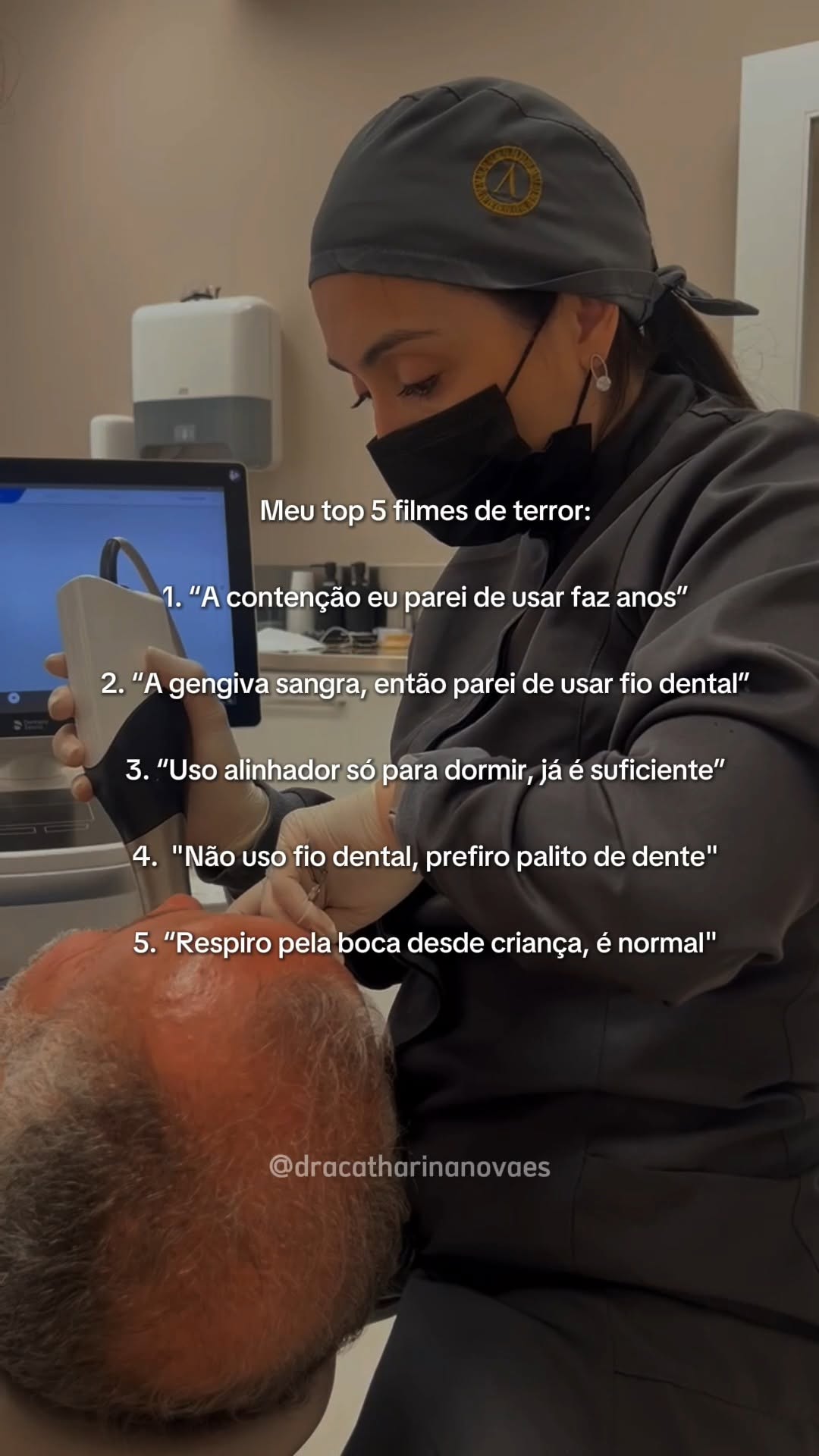
The things patients say at dentist appointments are surprisingly universal — and sometimes, honestly, funnier than any horror movie. After years in the clinic, certain phrases come up so often that they've practically become a script. The honest truth? Most of us have said at least one of them.
This post is not here to judge — it's here to hold up a small, slightly awkward mirror. Because the way we talk about our oral health often reveals more about how we actually feel about it than we'd like to admit. Humor, as it turns out, is the perfect way to start that conversation.
"I've Been Meaning to Floss More"
This might be the most common sentence in dental history. Patients say it with complete sincerity — and dentists hear it every single day. The truth is, meaning to do something and actually doing it are very different things, especially when it comes to habits we find uncomfortable or easy to skip.
Flossing isn't complicated. However, it does require consistency, and consistency is exactly what familiar phrases help us avoid. A line like "I've been meaning to" lets us feel like we're already halfway there — without any of the effort.
The fix is simple: pick one specific time of day, attach flossing to a habit you already have (like brushing), and stick to it for two weeks. After that, it starts to feel automatic.
"It Doesn't Really Hurt — I Think It's Fine"
Pain is one of the most misleading signals in oral health. Many serious dental issues — like gum disease in its early stages, or cavities forming between teeth — cause little to no discomfort until they've been developing for quite some time. So when someone says "it doesn't really hurt," what they often mean is "I haven't noticed anything alarming yet."
That's a subtle but important difference. Absence of pain is not the same as absence of a problem. Regular check-ups exist precisely because so much can happen quietly, without any obvious symptoms.
"I Eat Healthy, So My Teeth Should Be Fine"
This one deserves a gentle push back. A healthy diet is genuinely great for your body — and yes, it does reduce some risk factors for tooth decay. But "healthy" foods can still be acidic (think: citrus fruits, smoothies, vinegar dressings), and even natural sugars feed the bacteria responsible for cavities.
The frequency of eating matters just as much as what you eat. Snacking throughout the day — even on fruit or crackers — keeps your mouth in a constant low-level acid state, which gradually wears down enamel. If you're curious about how sugar frequency affects your teeth, this post on sugar and tooth decay breaks it down clearly.
"I Only Need a Cleaning — Nothing Serious"
Patients often come in having already diagnosed themselves. A cleaning is always welcome, but what happens during that appointment is more than a surface polish. The clinical eye catches things patients can't see or feel — uneven wear, early recession, small changes between visits that add up over time.
The most valuable part of a dental visit isn't really the cleaning. It's the moment someone is actually paying attention to your mouth. That's when small things get caught before they become bigger problems.
"I'll Deal With It When It Starts to Bother Me"
This is probably the phrase that causes the most long-term damage — not because it's wrong to wait, but because it assumes discomfort is the right trigger. By the time something is bothering you enough to book an appointment, the issue has usually been quietly developing for a while.
Prevention works differently. It works best when there's nothing to fix yet. That shift in mindset — from "fix it when it breaks" to "check it before it breaks" — is one of the most meaningful changes anyone can make for their oral health. Preventive dental care pays off far more than reactive treatment over time.
Why We Say These Things (And What It Really Means)
Phrases like these aren't signs of carelessness. Research in psychology suggests that ready-made phrases work as cognitive shortcuts — ways of responding without having to think too deeply, as explored in studies on how linguistic clichés shape our everyday communication. They're socially safe, emotionally comfortable, and require almost no effort. That's exactly what makes them so hard to let go of.
When someone says "it doesn't really hurt" or "I've been meaning to floss," they're often not dismissing their health. Instead, they're expressing a mix of avoidance, mild anxiety, and genuine intention. Recognizing the phrase for what it is can be the first step toward doing something different.
Your Turn
Now the real question: which of these sounds familiar? Being honest about the phrases you use — even just to yourself — is a surprisingly useful exercise. It's not about feeling guilty. Instead, it's about noticing the small patterns that might be worth changing.
If any of this resonated, or if you've been "meaning to book" for a while now, we'd love to hear from you. Send us a message on WhatsApp — no pressure, no judgment, just a friendly conversation about your smile and what it needs.
Frequently asked questions
Does "it doesn't really hurt" mean my teeth are fine?
Not necessarily. Pain is one of the most misleading signals in oral health. Many serious issues, like early gum disease or cavities forming between teeth, cause little to no discomfort until they have been developing for some time. Absence of pain is not the same as absence of a problem, which is exactly why regular check-ups exist.
If I eat healthy, will my teeth automatically be fine?
Not entirely. A healthy diet reduces some risk factors, but healthy foods can still be acidic, like citrus, smoothies or vinegar dressings, and even natural sugars feed the bacteria responsible for cavities. The frequency of eating matters as much as what you eat: snacking throughout the day keeps your mouth in a constant low-level acid state that gradually wears down enamel.
Should I wait until a tooth bothers me before booking?
That mindset causes the most long-term damage, because it assumes discomfort is the right trigger. By the time something bothers you enough to book, the issue has usually been quietly developing for a while. Prevention works best when there is nothing to fix yet, shifting from fix it when it breaks to check it before it breaks.
Do I only need a cleaning at a dental visit?
A cleaning is welcome, but the appointment is more than a surface polish. The clinical eye catches things patients cannot see or feel, such as uneven wear, early recession and small changes between visits that add up over time. The most valuable part of a visit is the moment someone is actually paying attention to your mouth, catching small things early.